On this page: Summary · Watch or listen · Timestamps · Key takeaways · Show notes and references · Transcript
Summary
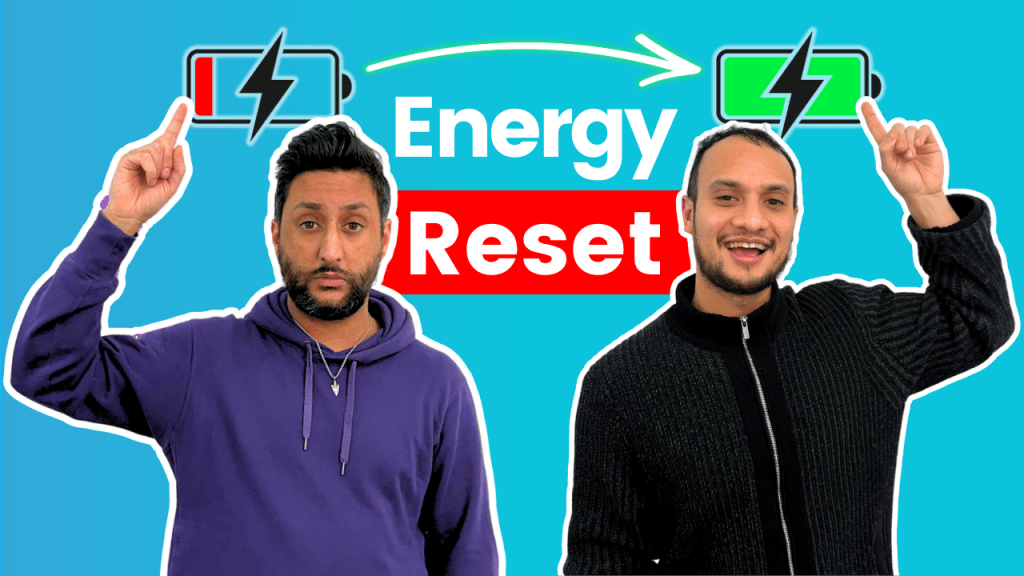
Back from a break and feeling strangely flat? In this episode, we discuss why switching off helps, why the restart can feel harder than expected, and how to get back into a steady rhythm without guilt or a huge “new year overhaul”.
We use the DOSE idea (dopamine, oxytocin, serotonin, endorphins) to unpack what real rest looks like, plus a few simple, realistic habits to improve focus, sleep, and momentum in January.
Watch or Listen




Timestamps
Show Timestamps
00:00 – Trailer
00:50 – Back into routine after the break
05:50 – DOSE explained (dopamine, oxytocin, serotonin, endorphins)
13:40 – Resetting without guilt
18:00 – Mental space and silence
23:30 – Notifications, phones, and attention
33:20 – Labelling, identity, and resilience
41:30 – The January re-entry dip (sleep, routine, dopamine swings)
49:50 – Practical reset habits for adults and students
1:01:00 – Slip-ups, flow state, and getting back on track
1:07:30 – Wrap-up
Key Takeaways
Cheap dopamine is seductive. Your brain defaults to quick hits, but the crash after the spike is real.
Everything seeks equilibrium. Big highs tend to create big lows, so aim for steadier rhythms.
Breaks change your biology. Switching off can reduce stress load and even change how much sleep you feel you need.
Guilt is not a reliable signal. Rest is not laziness; it is often the prerequisite for good work.
Energy creates energy. The hardest part is starting; once you begin, momentum carries you.
Silence solves. Mental space and quiet thinking often untangle problems faster than frantic effort.
DOSE is a useful lens. Dopamine, oxytocin, serotonin, and endorphins help explain motivation, bonding, mood, and recovery.
Make habits easier, not heroic. Reduce friction so you do not need fresh activation energy every day.
Tame your notifications. Less noise, fewer dopamine triggers, and more control over attention.
Expect slip-ups. Progress is the distance between restarts getting longer, not perfection.
Show Notes and References
DOSE: The Feel Good Formula by TJ Power
The Diary Of A CEO with Steven Bartlett
Parkinson’s disease overview (NHS)
Serotonin and the gut-brain connection (Harvard Health)
Transcript
Show Episode Transcript
Intro
Your brain wants to go for the cheap quick dopamine hit. Every action has anequal and opposite reaction. If you open a window, the inside is trying to become the same temperature as the outside. Mental space and silence ultimately solves more problemsthan scurrying about. And energy creates energy. It’s the activation energy that’s thehard bit. I used to feel bad like if I was ill or something like that. Like I never used to take a day off. Ijust didn’t take days off. Yeah. I would be on the verge of going into hospitaland I have to all turn up to work.
Back into routine after the break
So, welcome back to the Education Lounge podcast. Today we’re going to talk about getting back into the flow of things after a holiday break and why resets and breaks are important. But they’re not. I think they are. Yeah. Um but we can get into that.Yeah. I mean I mean it’s for a different reason than probably what you might might think, butwe’ll go into that when we get into the conversation. So you came back from yeahyour Christmas, you had your new year, stuff like that. I think you came and many many peoplehave we’ve noticed have come in back into work with you’d say low energy.Yeah. Describe it in that way. I I mean yeah low energy, but I thinkrelaxed. Yeah. Well, there’s loads of reasons why that’s the case. Soyeah. Um I mean for this this one I this this umChristmas break I actually managed to switch offlike fully take around a week or so of of just not thinking about work or anyof that sort of stuff pretty much. Why was that do you think? Um, I mean,partly with the, you know, the changes we’ve made in the business in the last couple of years, um, where everything’snot on my neck all the time. So, but any anything that was myresponsibility was signed off and completed before we went on the break. But we do I think inthe run-up to Christmas we do like there’s a lot to do and load loads loadsof businesses have that um and workplaces obviously they’re likeclosing up the books and stuff like that. They’re getting everything ready. So you find in the runup to Christmas it’s crazy and everyone’s working liketwice as hard in order to take a bit more of a break during Christmas. Yeah. I say so I wouldn’t say twice ashard but but the point stands. Yeah. Yeah, I’d say in some industries definitely like therein some Yeah. Yeah. In ours is a lot of uh Yeah. closing down or getting accountsup to date and Well, I think like lawyers and accountants, they’d be like working really really really hard over thisperiod like to to get everything up to date before Christmas and then um thenthey need that maybe a wind down after. Yeah. Something interesting happens. Um,I when I’m like working day to day, I’m, you know, I sleep like 7 and 1/2 to 8and 1 half to 9. Mhm. 9 hours. I need a lot of sleep. When I was not working and I wasswitched off, I needed a lot less. Yeah. I mean, it’s I think it’s natural,isn’t it? Well, it depends who you are cuz my my my natural thing is towhen I’m stressed and overwhelmed, I just sleep. Most other people don’t.Other people are awake all night and sleep for two hours. But it’s interesting that when I went and had aChristmas break and had time off, my I needed less sleep. I don’t know what howdid you find it? I think I slept the same way, but my sleep pattern changed.So, this V pattern thing is is an issue. My my trainer said you should be keepingyour same one. Same one. Like, I’m not going to get up at 7:30 on,you know, Boxing Day or New Year’s Day or whatever. Your 6:45 and cuz I usually get up at6:45. And do you like Yeah. But like I found thatobviously I was I was I think I was maintaining the same hours almost butjust offset. Yeah. Yeah. I found that too. I think that’s the main that’s the important thing is like you’ve sleep thesame amount or similar amounts of time. Like obviously if you need loads of sleep or you you just wake up naturallya bit earlier. Yeah. Then that’s fine. which I do. Even whenI’m taking time off, I’m I’m naturally waking up most days. Pretty much mostdays I wake up without my alarm. Yeah. Sometimes a minute before it goes off just I’m justrarely use it. I mean it’s on just in case. Sometimes my alarm doesn’t wake me up.Like I’m Yeah. When I’m asleep, I’m I’m like very heavy sleep. Well, I don’t have a I have the It goesoff on here so it’s silent. It just taps you and wakes you up. So it doesn’tmaking noise. One of the things that got me back in, we’re going to come on to this, but one of the things that got me back into um routine and you knowquarterly goals and what’s what’s the plan for the quarter for January to March was uh this workshop that I did
DOSE explained (dopamine, oxytocin, serotonin, endorphins)
and one of the online workshop and one of the guest speakers was TJTJ Power and this Abdullah. Yeah. Yeah. So, well, it was Ali Abdal’sum quarter uh quarterly was it yearly yearly goal planning?Mhm. thing. And this guy was on it last year. TJ Power, he wrote dose. So, dose standsfor dopamine. Dopamine serotonin andendorphins. Endorphins. Um and this is a a book I startedreading last week. Now you have some some thoughts on this on the Well,actually I think we should probably go through what they are first. Yeah. So you got dopamine. So dopamine is your drive todrive to do things. It’s like they had this I was telling you about this this ratthe rat experiment. Yeah. So, so there’s a I don’t know if this is true, but like as in as far as I’m aware, like theytook they had some food in front of I think Steven Bartlet was talking about it on diary of a CEO and there was likeprobably he knows a lot of random lobby. Yeah. So there was like uh some food infront of a rat and obviously the rat should eat the food and it’s got a driveto exist and live and then they took thepart of the brain out of the rat that produces dopamine and then it died of starvation and didn’t eat the food. Umalso I think was it Parkinson’s disease is when you have a you don’t producedopamine you have a dopamine def deficit. Sorry. Yeah. So, well, it’s also um said that I think it’speople with ADHD that they have a lower baseline level of dopamine. So, the waythat it works is basically if that’s your that’s your baseline level,uh things like, you know, sugar oranything, almost anything like alcohol, drugs, all that sort of stuff will spike your dopamine.Mhm. But it would crush an equal amount. It’sbasic physics. Every every action has an equal and opposite reaction. Everything is always trying to be an equilibrium.Everything’s always trying to balance out. It’s like if you open a window, the inside is trying to become the same temperature as the outside. Everything’salways trying to balance. And that’s what’s going on within us as well. So when we dothings that spike our dopamine, there are also consequences. Um, so that’sdopamine. O stands for oxytocin. Oxytocin. So that’s the bonding bonding hormone.Yeah. So you would have had a lot of that over Christmas most likely. Friends, family. And funnily enough, what does it do? Itlike relaxes you because you need to be in a relaxed states to state to bond.So when you meet new people, uh, go on dates, you produce more oxytocin toincrease that bonding. So, like I don’t know if you’re having an interview or talking to someone new.Yeah. I’d say it starts with the adrenaline though. I I get like you know you get the anxious adrenalinebefore you go on a date or you have an interview or whatever it is or meet or meet new people.Yeah. Yeah. I’m saying but then the oxytocin will take over when you do start to bond. And then we have S. It’s a serotonin.Yeah. So your happy hormone. So serotonin is very very complicated. Essentially a lot ofpeople who this isn’t it’s probably one of the most interesting hormones becausewe don’t we can’t just put serotonin in ourselves or producemore of it. We need to stimulate create it. Yeah. We’ve got to stimulate its production in the brain. It’s notnot in the gut. 90 95% of your serotonin is produced inyour in your gut but then cuz it travels up to your brain. The gut brain connection isvia the vagus nerve or whatever. Um but it is not the brain would obviouslyuse it but it is produced in the gut. Yeah. Which is why when we come on to talking about diets and all that sort ofstuff and people, you know, IBS, well, I’ve got issues with that andI know that when my gut is like that, I’m depressed. I’m not I’m not a happyperson. Yeah. So, it makes sense. No. Yeah, it was um it was interestingbecause I think the early depression meds Yeah. Yeah, they were I think it was like originally a can’t remember whichone, but it was originally designed for tuberculosis. Okay. To cure tuberculosis, but they foundthat the people who took it had an improved mood as a result oftaking it. So they found it by accident. Yeah. And and then they were like, “Okay, this is interesting.We can use it for this.” Is it’s similar to the whole was it penicellin story? Yeah. She found it by mistake. It was wellpenicellin. I think it was someone like there was a mold in a petri dish orsomething like that. Yeah. They found that the um bacteria around the mold hadn’tgrown. There was like a clear space on on a petri dish. So it was found by mistake.Yeah. Yeah. Um you carry it. It’s your happy hormone. Well, it’s notit’s not your happy not not something that it’s not that straightforward.It’s like if you were to put it in straightforward terms, it’s it’s one of the main contributors of hormonethat that makes you feel happy. It gives you gives you meaningwhich is kind of weird weird thing. So, so if you feel like your life is meaning, like a lot of people aredepressed and stuff like that, they get into the point where it’s like, oh, my life is a bit meaningless and that thatsort of thing. Dangerous spiral that that could actually be the result ofyou’re not producing enough serotonin. It’s an interesting one. It’s not Yeah, it’s not. Um, yeah, it’s a hardone really. They’re all happy hormones in a sense. Like they’re all but but that one’s avery kind of but in terms of actual joy is it’s it’s the hormone thatBut then how would you for instance endorphins? Let’s go on to endorphins. The last one.So endorphins are well you kind of you raise your endorphins by movement,exercise, playing sports. I think you’re eating dark chocolate or something like that. Dark chocolate, red wine, probably havea similar Yeah. Yeah, similar thing. Um and then obviously they’re all all four of these work together. So ifyou’re playing, say you’re playing on a football team and you score a goal or whatever. Yeah. You’ve got your endorphins goingfrom the exercise. You’ve got your dopamine hit. You’ve got your oxytocin cuz you’re withthe team and serotonin. Would you just feel happy? I don’t know. So, they all sort of work together.So, it was this seminar and this 2026 goal saying thing that started toget me back into work mode because my plan was to read. I did a bit quite a bit of reading, but my plan was to readand to write blogs on my personal website.Laptop stayed shut in my bag for a week and a half. And you know what? I felt abit guilty, but after a couple days, I did not feel guilty. And that’s the main point of I know where how far in like 10
Resetting without guilt
15 minutes in. But the point is, how do you reset without guilt?How do you be kind to yourself for not working? For people like us, we we want to be doing things, right? We want to be writing, reading, we want to becreating stuff. Yeah. The the way that, you know, given whatwe do, especially running a business, you you’re on the go all the time.Yeah. I don’t This is the first year I’ve not cared at all if like if I havea day where I don’t do anything. Oh, I had a week. I Yeah, I don’t I I no longer mind that.So, is it because you’re more kind to yourself? Is it an external thing, an internal thing? Well, it’s like if I don’t get some if Idon’t get work done, it probably isn’t like I’ve I’ve made peace with the fact that if I’m not working, it’s probablybecause I don’t have space to work. Like, I need toI don’t know cuz energy creates energy, right? So if you start it’s if you startsomething it’s the activation energy that’s the the hard part for me and that’s partly a dopamine thing but you have the activation energy and energycreates energy right so if you get up and you start walking you going to walk for longer becauseit’s like the whole thing where you say oh let’s let’s just read for 2 minutes set a timer you never read for twominutes pretty much you carry on it’s the activation energy that’s the hard bit so I think I don’t agree withif I don’t work then I probably shouldn’t be working. Yeah. I don’t feel about it. Like I I’m I’m like that’s just that’s aI’m saying is it an internal thing or an external thing? What do you mean like the the guilt? Where did it come from?And external, isn’t it? Like external. It was initially external and now I think likethe what I’d feel guilty for is not doing something that fits with or alignswith my values. If I did something that was like wrong that didn’t align with myvalues then then I’d feel guilty for it. But ifif it’s just so it’s a conscientious thing. Yeah. If it’s a matter of like okay I didn’t work that day or something likethat. I if if it puts someone in a bad situation, that’s a different thing. But if it’s in a situation where it’s like,okay, it’s just it’s just you that’s the the person. I used to feel bad like if I was ill orsomething like that. Yeah, me too. Like and like even though someone had to pick upthat working it it’s not your fault that you’re ill andbut then there’s like this I think it just it comes from your childhood and it comes from you know somethingresponsibility. Yeah. Society. Do you know what? I still I still I’m a lot better. Still struggle with that.Like I never used to take a day off. I just didn’t take days off. Yeah. I would be on the verge of going intohospital and I still turn up to work. Yeah. Cuz that’s just how I was brought up.Yeah. Whereas it’s kind of stupid. But that that is the case. That’s whathappened like 10 years ago. I was we had like five different locations fortutoring. Mhm. I was driving around to North London, South London, Kent. And this was likeYeah. Like just before I went into hospital. Yeah. I was in like a stupid amount of pain.Still went into work. Yeah. I like if I if it conflicts with my values and if I do something thatconflicts with my values that like the person that I really want to be and it doesn’t alignif I do something that doesn’t align with those things. Y then I feel like then you feel guilty. I feel guilty and it’s probably for agood reason. It’s my body telling me like look you got to do something about it. Butin the case where it’s like okay you’re resting I’m probably not working for a goodreason. It’s like either I can’t focus on that thing like too scattered. And inin that case, I need to I need to take time. I need to like get to a place where I canThis is what I wanted to to go on to as well about how
Mental space and silence
how space like mental space and silence ultimatelysolves more problems than scurrying about and trying to Yeah.It depends on the on the situation kind of. Um well I mean we’re kind of mixing up the uh the different talkingpoints into one that I had planned but that’s not a problem on in terms of let’s just finish off with the dose thing very quickly. In terms of thedosing we’ve spoken about sleep. What are your thoughts onwell I mean kind of obvious sunlight walks. Sunlight walks. Umwell I guess holiday periods give you that. I had a few walks with my parents and stuff like that. It was it wasreally nice. Yeah. I mean, well, I mean, I do that every week of the year regardless, butI I don’t with my parents. No, like that Christmas was a good time to dothat. But what I’ve done, what I do more and more is I I leave my phone at home. Thiswas part of the talk as well, but I was doing it already. I can’t do that. I’ll get lost sometimes. Well, it depends where I’mwalking. But yeah, I don’t know. I get worried if something will happen like Yeah. Yeah, but then I have I justOkay. Yeah. This for my step count. That’s probably fine for But yeah, but I can’t I can’t load mapsor anything on there. But you can make a call. No, not without my phone.Okay, it’s fine. I don’t know when how think about before phones likepeople never went to for walks. We had pay phones. You pop into a shop and be like, I need help.This is true, but it depends on how isolated the area is. AndI mean, it’s not isolated. What if a badger attack? I don’t I don’t like I’m walking in Ch. What you going to call the badgerpolice? Yeah. Well, I mean, I usually walkWell, there’s people around. Or I’m in the forest.Oh, loads of bad things can happen there. Bears. I’m joking.Not in these forests. It’s not in Eping Forest. No, one one time I did see a a link inEping Forest. Yeah, but I’m not going to What am I going to do again? What am I going to do? Call the links, please.I don’t know. Well, anyway, sunlight. Let’s go back to the point. Sunlight and walks. So, we’vewe as a species have been walking. I mean,I don’t mean walking for the longest. We have what I what I meant was we used to spend a lot more timehours and hours trekking through forests and things. Grazing. Grazing. For was it foraging?Yeah. And usually that’s with people. Yeah. You have your adrenaline. You have a dopamine hit when you catch a animal orwhatever. You know, all these things are all linked together. But I think getting out and just whatever sunlight you canpossibly get in in in London in December. Um,and taking walks, being in nature. That’s a gadian rhythm thing as well.So, when you take what is it? You’re meant to take an early morning walk with sunrise and thenI’m sure like that’s what our ancestors did do. Right. And thenYeah. And then you’re meant to see sun setting cuz sun setting sends asignal to your This is the theory behind those that you know you got lamps thatYeah. Yeah. Yeah. The orange I’ve got one actually, but I don’t know how to use it. Yeah. Well, I tend toI don’t have blue light. No. Like I do use my iPad to watch Netflixor whatever. So, you put the You’ve got the what’s it called? Night shift true tone.Yeah. Um, my lamp is on an orange setting.Mhm. Better still if you can get one of these though. Edison bulbs that mimics candle light which mimics sunlight. That’sperfect. Um, not so much these bright blue white LED things that everybody hasnowadays. Um, I saw a picture on uh Instagram. was like, I’m pretty sure the world never used to be used to be a lotmore yellow. And they showed a picture of like the street the same street 20 yearsapart. And one of them was like like orange hues, nice warm clothes, and then thethe new ones are just piercing blue white light. Yeah, I’m not a fan of those.It’s not good. It’s technically not good for you. Like it’s also not very aesthetic.Like Yeah, it’s better energy wise. It’s more energy efficient. Yeah. Oh, LEDs. Yeah,you can get low. You can I don’t see there’s any reason why they wouldn’t that you can’tum maybe lower the change. Yeah, the Kelvin Yeah, change the Kelvinof the LED bulb. I think it’s because they actually want us to be in a state ofYeah, I was going to say this is this is this is an entire conspiracy theor theory in itself. Butthe Kelvin of the worlds did used to be more yellow and orange and that was a good thing.Now it’s like more blue and blue and white and bright. Yeah. Um now I’m not someone that’s madly
Notifications, phones, and attention
addicted to their phone. I probably used to be. Nowadays I have notifications switched off. Myphone’s been on silent for 15 years. I have not put it on loud for 15 years. ItI get I haven’t It’s been on vibrator. I’m just thinking of my phone. Yours is drives me mad. I can’t believeyou could like that. Everything important I miss and everything unimportant. I see like the Greg’s app.Hey, you could get a sandwich. Oh, wow. Yeah. No, I don’t calling. Oh, okay. Ididn’t see it. That could also mean sandwich. True. Um, my phone only notifies me fortwo factor authentication. Yeah. Phone calls and WhatsApp messagesand probably a bit of trading 212. That’s it. I have everything switched off. I last last January when I did thisreset, I turned the notifications. You know, you can mirror it to the I haven’t got one of these, but you can mirror itto your watch. Switched all that off. This only notifies me aboutactivity, steps, movement, yeah, sleep, that sort of stuff, and nothingelse. And my phone only notifies me for phone calls, messages, and a couple of apps ofchoice. That’s it. So, that’s what I did last January. Switched to everything off. This January, I moved my Mags safecharger to the living room and put my phone in there for a week every night,not just for the whole week. Like before you before So I put my phone on the chargerand I go up to bed. Yeah, that that that is a thing. Uh leave sleep well away from your phone.I’ll be honest. I I I use this to fall asleep to I have stuff playing on my iPad. So that’s in my room. The phonebeing downstairs. I put it back in. What day were we on today? I put it back in a couple days ago in my back in my room.So I like having the I can see like the charge state of all my devices. I canhave it on night mode and have the clock the red clock at night time so you can see what time it is if you wake up. Allthat sort of stuff. But the week where I moved it out, obviously I still hadthis. And what I found myself doing some of the mornings was picking it up andopening Instagram, whatever else. Mhm. And WhatsApp and whatever on here. And what I’d done without realizingis given myself a more immersive version of what I’d removed. Oh yeah,cuz it’s like true. Yeah. So I put the phone back in there and itwas just a oneweek experiment. I want to see what happened. It didn’t affect my sleep. It didn’t change much. I’m sureif id left everything out of there, it would have changed. And I did it for like a month or two months, it wouldhave made a big difference. But I know especially with kids, clients, otherpeople, staff, maybe yourself, I don’t know, they are a lot more addicted totheir phones. I’m I’m very addicted to my phone. like I’m not I found myself spending more time on myphone. But I mean to be fair, I did some I did some good things. I played quite alot of chess during Christmas break, but I found that I had a lotI I did a lot more like I didn’t find myself short of things to do. M like youstill got like things to do around the house and like other stuff. It’s less it’sdifferent sorts of work like but it’s still working. So I did find myself like kind ofI didn’t I didn’t turn off completely and then I did other things. So I spent my time learning learning Romanian a bitand also this all on your phone. No just I’m talking specifically aboutphone use at the moment. I well I I used uh teach yourself audioapp on the phone right um so you are on your phone but I I don’t know is it a bit different becauseyou’re using it for the audio on if you’re still using it on the screen and also you won’t be realizingit but when you do that sort of stuff and you get something correct and you have your chess and you have youruh wins and your losses you are triggering dopamine all the time but is is it so bad like Well, you wantwhat you want to be doing is I mean willpower is a finite resource.It’s like a battery, but you using your willpower to not do the thing that you want to do and it it grows or lights upyour AMCC I think it is. It’s a very longword. Um I can find it. But it lights up that part of your brainand that part of your brain. Um, you just get better at doing it. You getbetter at doing it, the more you grow it. Same as anything. It’s like a muscle, right? You do more reps of the thing.Yeah. You know, that makes sense. But then I think like language learning andplaying chess. They’re not necessarily the worst. They’re not the worst. No, I’m just saying thatyou’re still triggering dopamine and that sort of stuff. So, you’re always triggering like you’re always triggering dopamine. It’s justwhen you get it for not achieving anything. That’s like if when you havecheap dopamine. Yeah. So you’re like scrolling on Instagram orsomething like that. That is that’s cheap dopamine. Yeah.Or gambling. Well, you know, they’re the same. You know, they’re the same thing. The algorithm gambling Christmas newyear. The algorithm is um based on fruit machines. Yeah,it’s randomized wins. This is this is um so for a regular person that doesn’thave ADD the graph for you pick up your phone, you do some Instagram or cheap dopamine.So that’s why it looks like Andrew, you might have to zoom in. So that’s yourYou can make it bigger, right? Or kind of. Yeah. So that’s your baseline there and that’s your dopamine high andlow. So you get a a boost of um cheap dopamineand then you do like your doom scroll and whatever people do and then it goesback to your baseline but when you stop doing it an equal and opposite drop happens.Ah right now when it comes to ADHD whichyou did you say you have you Yeah. So um I think my mom has it as well.She definitely does undiagnosed but this is what it looks like rightyou have textbook your your baseline is reduced.Yeah. And then you do your thing goes back goes back and you do your activityand it’s like the concentration thing and then it drops back down to your reduced baseline down there.Yeah, it’s hard to get going. It’s activation energy is for me like II know these things intellectually doing them. I’ve given you my uh end of podcasttakeaway early. Doing them is another thing. Yeah, I think most people I think mostpeople in life know actually know what to do. I think that’s like whenever Italk to people like they always say I should do this. I they know they knowwhat to do. They but they they doing it do it. Yeah.Yeah. But there’s all kinds of reasons why you don’t do it. It’s not because your your brain is is your brainwants to go for the cheap quick dopamine hit. It’s like the rat pressing the buzzer.Like it just it’s it’s going to want to do it. It’s complicated though cuz I think it’salso so often I think it is to do with self-esteemwhether you which goes back down to the whole childhood thing, doesn’t it? I don’t think that that’s not completely about dopamine. It’s actually there’sthings in your mind that stop you.Self-sabotage, fear, all that sort of stuff is is included in that. Yeah. You’ve got early childhoodlabeling, which I think is a massive Yeah. Like I I’ve seen it many many a time where parents it’s it’s not I don’tI don’t think what you can’t what you don’t know isn’t entirely your fault.Well so in parenthood is very complicated. Well that’s the what’s the phrase isn’tthere? You you don’t know what you don’t know. Yeah. You try you try your best to raise children in to be healthy adults but youmight make mistakes along the way. You will make mistakes along the way. like it’s inevitable. It’s inevitable. Yeah.Um and one of them like is labeling your child early and that can have a bigimpact on I I actually wait on impact onon All right. I’ll give you an example cuz I was going to mention about that I I disagreewith the labeling early thing because you if you say you are someone that isex label that becomes part of your self-image part of your self-belief and youyou end up becoming that thing. Yeah. So I don’t agree with with
Labelling, identity, and resilience
the amount of labeling and the level of labeling that’s going on in today’s world. Even even umAll right. So, a common thing you probably heard a lot of parents say, “Oh, he’s smartor she’s smart.” Yeah. All right. That’s labeling.The effect of that like like it might seem positive might seem positive, butwhen a child is developing, they’re they’re creating their identity in asense. They’re forming it. And when you say, “Okay, you’re you’re smart.” Thatbasically labels child as smart, they becomesynonymous with the word smart. And that basically, yeah, it can increasepressure on the child. But probably the when things become more difficult andchallenging they tend to they they lose resilience becausethey think I’m smart. I should get this. Yeah. And then they can they can somehow like actually end up going the oppositedirection because they I I think I felt that that because I think I wasI think I was labeled smart relatively umat an early age and I found it very difficult when I actually had to actually do somethingwell rely on other things aside from intelligence to solve problems becausewhen you become smart you’re like okay yeah I can I’ve got hammer. Everything’s a nail. I’m going to hammer it away withYeah. But it depends what you mean by smart. I mean, it’s a whole other topic, but kind of the definition of smart isto be able to solve problems in creative ways. Yeah. In regardless of what that problem is,you can apply different things. You have crossovers in your brain that can apply that thing to that thing. Yeah. Create links other people don’t make. Idon’t necessarily think that someone who specializes I mean they say smart smartpeople don’t really specialize they they do they’re smart in one specific yeah that’s very commonyeah but I think that’s that’s a programming thing there they’ve been it’s like programming a a whateverthey’ve been programmed to be able to do this one task very well but they can’t apply anything to other externaldifferent problems I don’t really consider uh overall smart, but that’s because of the labeling thingbecause that’s why I bring it out. Yeah. At a young age, they’re labeled smart. So, if they find anythingdifficult along the way, they don’t do it. They they can’t they they won’t they’re just like, “All right, it’s not for me.It’s not for me.” They won’t or they won’t they also won’t to do certainthings that don’t require intelligence to solve because they have been taughtthey are this smart person so they can’t and that that’s I think that’s a common thing.Yeah. But like this is the whole fix versus growth mindset thing like that’s a very fixed mindset. I can do this. Ican’t do this. Yes. But with me I will always find a way to do it. But that’s because they’ve been fixed in childhood. Like becausesomeone’s labeled them like I don’t know. We we were both labeled labeled smart and but we we’re able toun but we’re able to solve other problems. I’ve I think problem solving is is thebiggest clue if you can solve problems in new creative ways.And and that’s that’s what I enjoy. I don’t I don’t enjoy necessarily I don’twant to be put into like oh you are just doing I don’t know maths or you’re just achemistry person. Yeah. Like I can apply myself to anythingreally and be fairly decent at it. Have you ever seenGoodwill Hunting? No, I’m not very good with films and Andrew will probably be able to tell you about it. I IYeah. So that was that was based on a real person called WilliamSidus and he was smartest person ever basically IQ wise I think he was likereading long tones by 3 years old he was the youngest Harvardattendee I think about 10 went to Harvard like that but he he he ended upPete and he was praised a huge amount for being smart and he found it a me like he had the mosthorrible life like and it was self-sabotage but in a sense he wastrying to run away from that label of being smart like he could have he had amazingpotential but because he was labeled smart at an early age it did screwed up everythinglike he he could not like have relationships with people or anything like thatsomeone like Isaac Newton as kind of obviously probably one of the smartestpeople ever. I think he was I like you. Yeah. Yeah. Just in incredibleum invented a new branch of math like just to solve a different problem in my life.But see that that that that you can consider smart because he’s no solved a problem in a real creativeway. Intelligence is just you you’re that’s genetic. Like it it it’syou can like I think most people are more capable of things than they think they are.That’s that’s 100%. But there is like there’s no way they limit themselves. You you’re not like nobody can just goI’m going to be as smart as Isaac Newton. is it’s genetic like thatkind of I think you can create new neural pathways and that sort of stuff but then your your genetic potential isset in that way but then if you with the genetic there are yeah I I get it but you cangrowth mindset you can expand and become smarter and when you when you do when you do reproduce it’sthe the the information that’s passed on is what’s passed onwhat you are at that specific time. So if you you you could pass that down. Youcould become smarter and then pass that down. Yeah. But that’s as knowledgelike in the form of knowledge. You can pass. No, really. You you can you can like think about the taxi the black cab drivers that have enlarged the hippoccampus because they’ve memorized every single road in London. Yeah. But how enlarged the hippocampusgets is still a matter of genetic potential. Like there’s but it can be mature versus nurture. Youcan change it to a certain degree. You can change it to Yeah. to a certain Yeah. but it’sminute compared to compared to your actual what you’re born with that don’tget me wrong like if you’ve got someone with say an IQ of 100 that person canlearn a lot of things can be very very capable. If you got an IQ of one two 120or something like that, you can do so much to you can there’s nolimit to what you can do really as a job. Like you’re alreadyyou can apply yourself to different different areas. Yeah. Um the only thing that’s stopping you is like very nobody achieves their fullpotential because it’s just by by nature you can’t like your potential is overhere. It’s an unknown realm. Um, so most people are only exploring that part oftheir potential. Like there’s some people who are kind of higher to their full potential, but they’re not all theway up there. They’ll never be be all the way up. That’s a shame. That’s what I want to be. I’m trying to explore past mypotential, and it’s just it’s very difficult to do. Well, I think it’s a it’s a good thing, but there’s there’s usually things thatthat fix that in your that mindset. So, that’s where the growth mindset comes in.Let’s go back into giving some actual tips, especially to parents and students that come to us. Well, we’re back in
The January re-entry dip (sleep, routine, dopamine swings)
January, right? Yeah. We spoke a bit about how the re-entry, you know, the the amount of cheapdopamine and and sleep patterns and all that sort of stuff. It takes taking about a week to getinto. You’re basically those hormones are going crazy because you have a lot of endorphins. You got like loads of thingsgoing on. potentially a deficit in that regard. Like if you’re like not major but you’re not doing thislounging around. Yeah. Yeah. Um then you’ve got like I added Yeah, definitely less work lessless um working out during that time. And then you have um Yeah, cuz thingsare closed as well like and do weird hours. Ah yeah, it doesn’t stop you from going for a walk. Oh I was talking about the gym cuz I Iwanted to go to the gym. No, I carry I I carried on. I went straight for I also went to the gym but like it wasdifferent hours and everything. Um but I go train my in terms of my training I go Mondays Fridays andWednesdays we go before work. Friday was Boxing Day so I didn’t do that and I think a Monday or whatever itwas was New Year so I did didn’t do those two sessions but I didn’t take two weeks off. I wentevery single week even through Christmas I was still working out. Yeah. No me well I did too. I keptgoing. Um I kept eating healthy. I was quite proud of that.Uh apart from Christmas day and the three two three days after Christmas like I mustadmit like I was I was still eating a lot of Christmas stuff. So yeah Christmas stuff is just like aroast. It’s not I mean we do get a lot of biscuits from here but apart from that it’s that sort of stuff. Yeah.Like it’s more it’s more the size of like the roast is actually pretty it’s balanced healthy sprouts. I meanI do like sprouts. So, yeah. Um, I’ve grown to like them at times of the yearwhere it’s not Christmas. Oh, yeah. I mean, yeah. I mean, I like ve I like cabbages andthat sort of stuff. Um Um, but what I was going to say is let’s go into let’s go into some actualadvice, I think. So the re-entry dip,lots of routine, inboxes overflowing for people, decision fatigue, you’ve gotyour um body clock being on a different schedule. I just meI think that’s the biggest thing with me. So the restart slump is kind of it’s kind of normal andI think it’s taken about half a week to a week to get back into a routine. And Ithink um in my notes it says something about having um like breaks work if youcome back into a slightly different routine. If you have your break and then you come backinto a routine that is exactly the same within three four weeks you are back to needing a break. That’s what my researchshowed. When you I think the thing is is we we’ve touched on the idea of a break andwhen I think break people are actually meant to be we are working animals like we alwayswe always have worked like work is a very human labor is like a natural thing for people to do. Yeah, kind ofnot in the way that we work generally. No, the way we work now is based on factory workers. How we’re actually meant to work isspur of a couple of hours. Yeah. Go lie down. Spanish the Spanish have got it correct.Do a bit of work, lunch, nap, do a bit of work, dinner, bed. Like, we’re not meant to be working seven,eight, nine, 10, 14 hours in a row. That’s not the the way the way the modern work weworks is is wrong because we sort of have five days where it’slike usually you have like five days where is where it’s intense work. You like workyourself to the bone essentially in very unnatural ways that we’re not really designed evolutionarily to do.Yeah. sitting down these lights and things crash crash at the weekend kind of again in this book. Do you knowit’s not really because you’ve been doing the five days of work that you crash at the weekend. You crash at theweekend because most people’s weekends are fueled by cheap dopamine.It’s not just that though. It’s like they they don’t continue working. Sothey they have like intense work where it’s ridiculous and then they’ve got twodays where it’s like complete opposite. Yeah. That’s what I’m saying. So you got you’ve got the five dayfive days of working. You then have your I’m going to get a takeaway. I’m going to go out. I’m going to like go for drinks and whatever else.Spike your dopamine and whatever else. Enjoyment. Enjoyment. Enjoyment. Drop it to equal opposite thing and thentry and get back into Monday again. the graph that I showed. So, it is to do with the cheaps open.And I’m I’m not preaching or whatever because I’m not good at at this. I’m I’m verysusceptible to all of this stuff. Yeah. It’s like our new year. Yeah. We’ll go for drinks and that is itdoes tend to Well, I mean, it’s more than new year. I mean, yeah, for me anyway. I’m going for drinks andstuff with people every week. It’s not not every weekend, but like at some point during every week, I’ll be we’llbe meeting friends and whatever else. It’s it’s I’m I’m aware that I have a long way to go.But I know the information. I’m just Mhm. Yeah. Avoid spikes of anything is really likeYeah. Um I think that’s like the general thing. Well,even during the holiday period, I don’t relax so much that that you lose everything.You can’t Yeah. do something like Yeah. Like I said, I still I still umkept I mean, I I ate the same. I’m don’t I don’t I eat fairly balanced. I do eatsugar and crap, but I also have, you know, fish and vegetables and whatever else. So, both. And that stayedtrue during Christmas. I carried on going to the gym. Um but in terms of coming back in Januarylike I said earlier it’s the activation energy that is the most difficultthink of again it all comes back to basic laws of physics and the way that our world is built. It’s a snowballeffect, right? Starting the snowball moving is the hardest part, but it’s movingobjective motion. Yeah. Tends to stay in motion unless unlessinteracted with another force or whatever. Yeah. Equal opposite.Well, it doesn’t have to be equal opposite. It could be something that slows it down without stopping it, but and any other force interacting with theobject is it’s how our world is built. And it’s no different for activationenergy and everything else we’ve spoken about. So if you can avoid havingto create more activation energy when coming back in January, it will be easier.Yeah. Basically, and avoid the trap of I have to do everythingnow. You come back into work. There’s like this needs cleaning, there’s a thousand emails, this that this these people need to be called in and thisclient needs this and you can’t fix everything at once. So just Mhm.to-do list, prioritize, use, you know, use your sort of the quadrant thing of urgent, not urgent, all that. You canuse all these different tools, but don’t try and fix everything at once. And don’t leave yourself to a point whereyou actually have to create activation energy for everything all over again. Itmakes you think that that’s why they do January mocks is they wonder in order to create thatimpetus for students to work throughout that period. It’s probably the wrong time for them to have mocks in terms oftheir performance for GCC because but then I guess that does push you toyeah you work Christmas. Um
Practical reset habits for adults and students
what can we any advice for students? um for students. Yeah. So, let’s um let’shave a quick look. We have Well, I’ve got a few um for everybody.So, I’ll do a quick a quick gentle reset. You can pick a couple of these. Don’t try and do every single one, butmaybe pick one, try for a bit, test and measure. Um as our coach says, test and measure.I’ll give you a quick list. Phone outside the bedroom, which again, like I said, I tried for a week. Morning sunlight and movement with an hour ofwaking. One block of single task work aday. Mhm. 25 to 50 minutes. Pick a thing, work on it for your for your oxytocin, socialtouch points like do a call, have a coffee with someone. Yeah. Voice note. Not so much texting orwhatever, but or in person. I think in person isimportant because especially for people who are like isolated. Well, also you can’tyou can’t there’s not as much of a a bonding hormone when you’re not inperson. Yeah. Things transfer energy transfers between people. You might you you definitelywon’t see it. Chemical, isn’t it? Yeah. Healthy foodset of kitchen clothes as well like you don’t eat after a certain time. uh evening wind down with art screens 30minutes hour whatever you want to choose and celebrating small wins each day likewhat did you I thought it was like two hours before you sleep you’re not meant to do yeah but this this is just like startingpoints it’s not it’s not like the end goal the end goal is like you have to build it slowly so whichever one your yourgrowth is in your opposite tendency so whichever one of those you do the most choose that one to try and workIt’s again it’s if you’re doing this on phones or food, you’ve got to do theequal and opposite to to neutralize just the way that our world is built.For getting back into work or study, so for this is for our students, you want to find a dominotask, a first domino task, which is basically one small action that movesyour project forward. And that could be the same for for parents, for businessowners, people going back to work. What’s the one small domino task you cando first that pushes the needle forward that then helps everything else to fall in line?To-do lists are very good. Yeah. In terms of to-do, well, calendar the hard things. So, whatever the hardest thing is,put that in the calendar. Put it where your energy is highest. Like for me, my energy is highest now between 11 and1:00 p.m. I’m not a morning person or a night person. I’m literally a middle of the day.Yeah. I always think with with students who one of the the ski key study skills isidentifying where you can get the best gains with the in the easiest way. Andit might it might not be the easiest way for um for your brain cuz it might be but noit’ll be it’ll be the hardest one. Yeah. But it will be like the easiest way to fix sort of problems that you’vegot. So like for instance, if you’re doing a maths paper in January, like t tackle those topics where you’relike I I’ve I’m really struggling with it. So so you can gainum that way you can be more efficient with your work kind of. I mean I I I one of the hardest things. It’sdifficult because for me what I think is I do a couple of lowhanging fruit things first.Nah, for one to get it going. Yeah, for the activation energy. That’s theonly reason I do for the activation energy. You get a little dopamine hit when you take it off your list. All right. All right. I’m good to go. Then Ican jump into a harder task. If you jump into a hard task, you get put off. It’s a long way to to you complete it.There’s nothing to show that you’re making progress. And it’s the hardest thing. So I Ipersonally I do a couple of lowhanging fruit small tasks first. Does that work?Yeah. Because I’m like, “Oh, I’ve done that. I’ve done that. I’ve done two out of five things. I’ve got a littledopamine hit every time you every time you take it off, it’s proven that you get a little dopamine hit.” So, andthat’s my activator. Like I’m activated. I’m ready to go. And I can then dive into a hard task. So do what works foryou, but that’s what works for me. I never I never did it that way growing uplike for school. I find that my way works quite well if it was for different people. I I Idon’t think I did that at school but I’ve learned that that I can what I do now. I find that with studying I can do a lot more in 2 hoursthan other people because like a lot of people are studying for hours and hours and hours and hours likefour to five hours or something crazy and I I didn’t need to do that cuz Ijust did like an hour and two hours on things that I was like okay that’syeah but again it’s different different people like one of the kids I’m notgoing to give names But like over Christmas, I think I heard him say whenhe came back in, I think I heard him say that he was sleeping until 6:00 p.m.each day and then waking up all night and going to bed at 10:00 a.m.being nocturnal. Yeah. So imagine going from that intoYeah. It’s a shock. Yeah. Yeah. Well, he’s basically jetlagged almostto school like cuz sleep patterns are completely different. Yeah. So, I mean that’s going to be difficult. Um, this one I’ve mentionedI’ve done for myself last year. Notification triage. So, like get rid ofturn off your notifications by default and then only turn on thethings that you miss. So like like I said, I keep obviously phone calls andWhatsApp and I learned how to do that this like recently. So I did it over Christmas.Yeah. And then just review review these things every week. So at the end of the week, decidewhat you want to keep, what you want to cut, what do you want to try, what do you want to stop. Um, for the past year,um, last year, 2025, from January 1st, every Sunday,I used a life tracker for different areas of my life. Score it 1 to 10, um,and make notes every Sunday night. I did that for the entire year, and it’s plotted out a graph for me that shows mewhere, you know, where I had a spike in friends and family or where I had a spike in finances or a drop in finances.And then I can look at my notes and see that caused that. So I need to stop doing this. Soyou you have to kind of spot patterns, which is another another trait of someone that is intelligent.They’re good at spotting patterns. So you you do have to do a bit of work to find them the ones that are hidden inyour subconscious and stuff. But if you most most of the time those subconscious things are easier for other people topick out. Yeah. So you can ask someone that’s close to you likewhat am I doing wrong in life and with um I think another just a finalmaybe a final point for students of well it it’s just a good thing for people generally thattry and learn something that you didn’t know during holidays. So I I often useChristmas break to go up to speed on a a language or something like that doingjust stimulate the brain in a different way. Yeah. Then it’s a whole neuroplasticitything, isn’t it? Um yeah, I find that that’s you can actually get so much done as well. Ilearned so much Chinese years and years and years ago. I I think I learned likelike 400 car 400 characters in two weeksjust by you know using that time spending and about an hour a daywriting characters I’m not really uh a language I don’t really enjoy learning languages I did Idid well at school with with an incentive though it’s like you need to want to learnwell I I’ll do other things so I’ll you know I’ll read about this sort of stuff. And you built a model thing. You builtI built a Yeah. A little Lego model thing. Yeah. Yeah. Like that’s what I mean. Like do or I’ll do a puzzle, a thousand piecepuzzle or something. Yeah. Do something that stimulates your mind and replaces work becausethat’s Yeah. Have a basically a project that you find fun. Yeah. Yeah. Yeah, I found that I could get back into work quite quickly becauseand be in pretty good mood with it because I was I’d kept my mind doingstimulating things. Yeah, it it took me it took metwo to three days to get back into it purely because mymy sleep schedule I was sleeping a lot more. Um, so I I was a little like an hour or two out. So that those thosewere the the things for getting back into work or study or you know your job. Your bestenergy window how to protect that. We spoke a little bit about that. Mine is like10 to 3 10 to 4 10 to 5 like the middle middle of the day if mymine’s stupidly enough I’d say like maybe 10 to like 10:00 p.m. Souh no I’m in bed that time. Uh, I’ll be awake. I’ll be reading or watching something, but I’ll be I’ll be going tomy room. Until 12 last night, I was writing cuz I’m I’m writing a book at the moment. Itold you. Um, and I was I was just writing. I kind of wish I had energy towards theend of the day like that because I would just go home and it’s a bit annoying. Write on my blog or work on my websiteor that sort of stuff. Um, my my mind is like 10:00 onwards in the morning. It’san ADHD thing cuz like cuz you have a lot of energy. I find it very hard to like settle down. When onceI’m settled, I’m okay, but I have to actually do things like like you said, I have to put my phone I I Idon’t touch my phone like probably an hour before I sleep. I try toI’m quite good with that. I’ve got got better. I thought you ended up playing chess in the night or something.I’ve Well, I’ve done that too, but like that’s sort of occasional. Yeah. So,speaking of which, my final section is to do with restarts and slipping up,
Slip-ups, flow state, and getting back on track
basically. Uh, I would say it’s inevitable.Like, it’s inevitable that you’re going to slip up at some point. Yeah. But it’s not something to beafraid of or worried about, I don’t think. Or to beat yourself up over.Yeah. Because the way I see it is if you’re trying to quit something or whatever it is, youhave a long period of time where you’re doing great and then something willhappen and you’ll slip up. But what should happen is the point where you areslipping up should be further and further apart. Yeah, I think spurt thespurt thing is kind of important because because you tend I I tend to work insprints like working in spurt. So I’d say I like when it comes to likeproductivity or getting a project done or doing anything I think some likesometimes you’re in the flow mode and then you flow state flow state most you get in a in a veryvery good working pattern and you can you get a ridiculous amount done likeI’ve I’ve done like whole academic papers in six hours. Yeah. because you’re just like,well, you’re you’re tapping into your subconscious. Yeah. Your subconscious is not aware of oflinear time. Yeah. So that’s why you look up, you’re like, “Oh my god, it’s been 3 hours.” Your your mind is not Same withmeditation or whatever. Your subconscious mind there is no time. There’s no linear time as we understandit. So that’s you you realize when you’re in flow state when that happens to you.Mhm. Also find out what puts you into flow state. What is the thing? So for you itmight be writing sometimes for me it’s writing other times it’s like making something what is it for you that putsyou into flow state and try and find more of that I think so was it being in a very very quiet room isyou know surprisingly motivating and also some sometimes just being in a cafe likecafe yeah I like but as long as I can’t hear stuff so yeah sorry in terms of the slip upsand the restarts um I spoke a bit about how this this world that we’re in is like coded andI and one of the biggest things is the golden ratio the Fibonacci sequence. People that doing GCSE maths might knowabout this. I feel like you know I said about how you need the time between yourslip ups will get further and further apart while you learn or unlearn something. I wouldn’t be surprised ifthat was a Fibonacci. It’s sort of spaced. Well, there’s space repetition.So, again, I think I think space repetition the best I feel like the best timing for space repetition, theyclosely match the Fibonacci sequence. It played out everywhere. It’s part ofit’s part of the coding of our world is that that ratio. There is a there are some numbers. Well,I don’t know if it matches anything Fibonacci like orwhat does like the space repetition theory. There there is there there is ait does I mean I’ve loo I’ve spoken to James MS fromtechnically episode two but our very first proper episode like the forest score one. Yeah. um and he was doing space repetition andI loo I looked at it and he knows you know we speak about how our world is coded and all that cool stuff all theseall these deep chats but it did very closely resemble the Fibonacci sequence. Yeah, I’ve always well when I was likelearning languages, I discovered space repetition and it was like so much better than any otherlearning method like cuz it’s just the theory that essentiallyyou put you basically order things in terms of suppose you’re trying to like learn a language or something like that.to ensure that the cards or flash cards or whatever that you’re using arecloser. Um they they repeat more often if you know the concept less and then asthey get more familiar they move down the deck essentially and then the spacesbetween them become greater. This is a kind of vibe what I was I’ve always said to parents like children are constantlyin a state of forgetting. We’re always forgetting because it’s very unnatural like this this process oflearning that we’ve you your brain your brain is obviously a very very powerful computer.It one of its main jobs is to forget. Yeah. We take in several se hundreds orthousands of megabytes of whatever of information every second every second. Yeah.Filter. Most of that is not useful information. Yeah. It’s why if someone say someone say yousay you bought a red Mazdaum you did but say say you were like say you were going to go like I’m going to go buy a blue Audi.Um, and you were talking to me about that there might have been blue Audi’s around the roads before, but now my brain hasrecognized that it’s something that’s happening in my life. It’s something that’s important and then you’ll see all the blue Audi’s everywhere.Yeah. Yeah. I it’s it’s you but other like your brain decides what it thinks is important andwhat isn’t and most of what you see here see here, smell, taste, touch Mhm.not important. Yeah. your your brain for the machine. Your your your brain’s a primal thing.It really cares about like where where’s the next meal coming in? Yeah. Survival first. Everything else isproof. It will remember everything about food. Your yours definitely does. Um but yeah, we’re not designed maymaybe for academic study like from an evolutionary perspective. We’re not. That’s why you have to dothese things to try and Yeah. You’ve got to hack your brain work out. I don’t see it so much as ashacking but just I think you got to learn the secrets of your mind so you can unlock itspotential. Yeah. Which requires self-reflection and learning about yourself and and just known theories and applyingthem and seeing what works. Test and measure if you do slip up.
Wrap-up
Yeah, it’s normal. Thank you for joining us for the first episode of 2026. If you are watching uson YouTube, don’t forget to like, subscribe, leave a comment down below on how you found getting back into yourJanuary routine. If you are listening to us on Apple or Spotify, don’t forget to leave us a rating. And we’ll see youback again next month where I think we’re talking about um GCSEmocks. Yeah, I guess how to respond to them because they will be doing they’re doing them nowin many cases. Yeah. So, we’ll discuss that in next month’s episode. Thanks again.The Education Lounge podcast.
 The Education Lounge Podcast