On this page: Summary · Watch or listen · Timestamps · Key takeaways · Show notes and references · Transcript
Summary
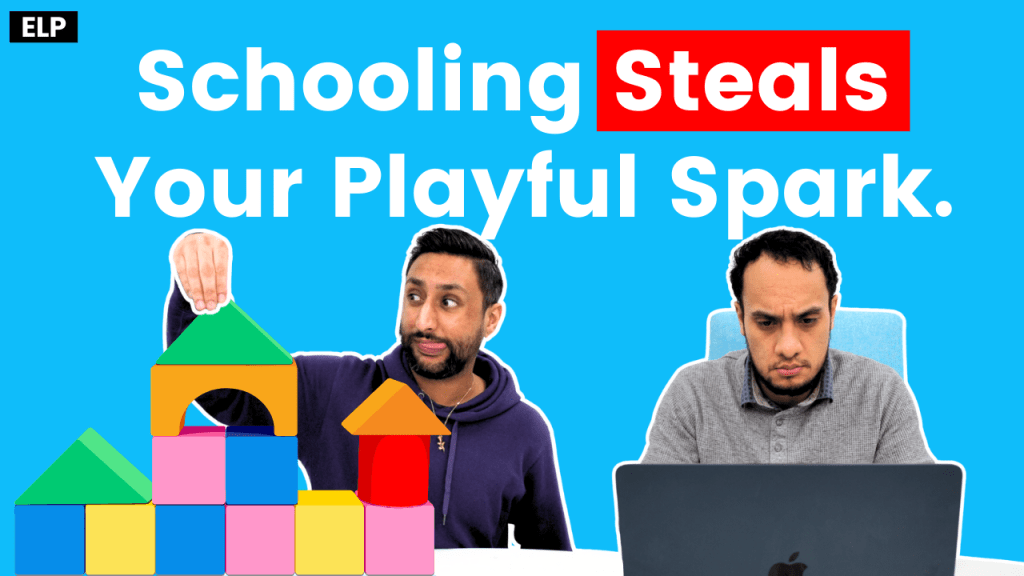
Play isn’t a break from learning; it’s the engine. This episode shows how playful exploration wires young brains and keeps adults adaptable.
Expect clear examples of structured versus unstructured play, easy classroom tweaks that add games and choice without losing rigour, and simple home habits that beat bribery and manage screens.
Sports, tinkering and brainstorming become practice grounds for curiosity, with a quick look at VR and home robots so tech helps rather than hijacks attention. If you want learning that sticks and kids who want to come back for more, start with play.
Watch or Listen




Timestamps
Show Timestamps
0:00 – Intro
6:21 – The Science
28:27 – Types of Play
41:56 – Play in the Classroom
49:45 – Play at Home
54:53 – The Future of Play
1:00:23 – Outro
Key Takeaways
Play is serious learning, not a break from it. Free and guided play wires brains, builds executive function and social skills, and makes knowledge stick by tying it to curiosity and emotion.
Balance structure with unstructured exploration. Clear rules and goals focus effort, while open-ended tinkering grows creativity and problem-solving. The sweet spot is structured time that leaves room to roam.
Repetition strengthens pathways; variety broadens them. Young brains are highly plastic. Repeated practice deepens skills, and varied contexts make them transferable.
Intrinsic motivation beats bribery over the long run. Fun, challenge, and belonging create their own momentum. External rewards may spark action, but joy sustains it.
Play teaches boundaries and self-regulation. Rough-and-tumble games and team sports show where limits are, how to recover from mistakes, and how to read others.
Classrooms can add play without losing rigour. Short, time-boxed games, choice within tasks, and quick feedback keep attention high and learning deliberate.
Homes that protect playful habits raise better learners. Join the play, cap screens, rotate toys, and create simple “invitation to play” spaces so curiosity stays switched on.
Let tech help, not hijack. Use VR, apps, and games to enrich experiences, while guarding attention, movement, and real human connection.
Show Notes and References
The Power of Play: A Pediatric Role in Enhancing Development in Young Children (AAP, 2018)
Serve and Return Interaction Shapes Brain Architecture (Harvard Center on the Developing Child)
Learning Through Play: Strengthening Learning Through Play in Early Childhood (UNICEF)
Learning Through Play overview (LEGO Foundation)
Why play is important for your child (NHS)
Education inspection framework: research review series, Early years (Ofsted)
Transcript
Show Episode Transcript
Intro
having some unstructuredness within the structure seems to be where the best learning shappens and a lot of stuff from unstructured play can be utilized in other situations of your life yeah youcan learn out of chaos a glimpse into John’s mind right there when they’re learning and playing if they’re growingup these neural connections are happening all the time girls are about 2 years ahead of boys in this regardthere’s a danger that we’re not going to utilize our imaginations as much yesthat’s already happened to me if you Outsource that responsibility of taking care of your child and playing with yourchild to a Tesla bot or whatever then what is that child absorbing as that[Music] sponge the education Loungepodcast so I’ve kind of always been fascinated by like animals and I’ve watched a lot of these NatureDocumentaries you know like the atur there’s uh one with Gordon Buchanan andhe follow like a tiger family when they just had Cubs they follow them around orthe bear family and me they he follows like a mother bear and some Cubs puts weird cameras in little eggs and hideshides cameras in uh everyday objects to these creatures and one thing that I’vealways seen is that the Cubs whether it’s tiger cubs or or bear cubs theyalways seem to learn through play they always seem to learn about hunting through imitatingtheir mother they learn about where their boundaries are when they’re play fighting with their siblings they’rejust wondering like how much is that the case for humans cuz we’re mammals like we’re also mammals the same as they areand I think it might be more than more than we think well I think cuz chimpswill do that and we’re related to chimps so I think whatever they do we’reprobably doing on some level ourselves so yeah um but I guess it’s becauseyou’ve not got siblings have you so it’s a bit different yeah I mean yeah you’ve got toif if you’re an only child you’ve got to invent your own your own games your own games yeah yeah yeah and I think I wasalways the one that I was the oldest out of me and my sister but we grew up with uh cousins and stuff as well and um itwas always me that was inventing the games andh I did that on the playground a lot so sort of invented a lot of games onthe playground but I didn’t and I think I’ve always been really imaginative and I think it’s because Ididn’t have siblings so I had to create my own imaginary friends yeah that’s s thing exactly uminventing whole stories around just simple things like I don’t know I had adinosaur and a shark toy and then just be like sometimes the dinosaur would win sometimes the shark will win you knowthat engag in epic battle Royals and a glimpse into John’s mind right there butthat that was literally like most I think most of my childhood was involved involved that and yeah some at one pointit was video games too but like um in the early days it was it was it wasdefinitely the shark and the dinosaur the shark and the dinosaur mine was more sort of building things outof Ling around well Lego or plastic blocks or old VHS tapes where you canlike make turn them into like dominoes or just wherever I could find it make a game out of and then usually thesiblings will follow along so yeah yeah so you think there’s quite a lot of thisuh learning through learning through play yeah I think there’s we we do afair lot of it and it’s more important than you think and I even think even anadult needs play to some extent although we we sort of just it’s sort ofdifferent as an as you you’re an adult I think we unfortunatelylose that um way of thinking because if you thinkabout well starting a business you would probably try a lootof different things and see which one you enjoy the most which one works and which onedoesn’t and that’s through experimentation or play right um and Ithink it’s a bit of a shame that we seem to I think the system sort of educatesthat out of you to an extent one thing I really don’t like about it you’re taughtto sit down and listen and the great thing about play I think and somethingthat makes it special is the fact that it’s multi modal so it involves all yourfaculties a lot of the time I was thinking about this with so in a classroom a lot of the time you might beengaging with one aspect of your one sense or something like that but with umwith play you’re engag in all of them usually yeah I guess so maybe not smell I don’t know smell but smells occur inplaytime um yeah but I think a lot of it is down to thesocial side of it as well though I mean that in the classroom you you obviouslyhave you know friends that you go along with and you do things together and there’s classroom activities where youyou learn stuff together and we’ve always said that um it’s you have asense of commy between uh PE students in the class and that can actually improvetheir s attitude towards learning because they see someone else learning and that kind of thing so there’s alwaysa sense that if you do things as a group you feel competitiveness you have um asense of togetherness and and that kind of thing and that actually improves your ability to to learn and take on newskills interesting well should we look at the science plan some of this stuff yes let’s go intothat so yeah scientifically I think the main thing I can really get across on is
The Science
this whole neural connection thing mhm um I think we spoke about it in the lastepisodes as well a little bit um not the um plasticity I said malleability lasttime I think the plasticity of the brain s changes as you develop right yeah sowhen you’re young it’s like a sponge hopefully and um everything you do creates all these different connectionsand things and then at the age of I think well I think girls are about twoyears ahead of boys in this regard um which is another reason why some of thescholing is a bit unfair but that’s a whole other whole other topic um it kind of levels out around 21 I think is if Ithink about that correctly yeah um which mean Falls in line with the American drinking age 21 so it kind of makessense um yeah so when they’re when they’re learning and playing as they’re growingup these neural connections are happening all the time mhm and they sort of they become more uh fixed and likelong term the more they repeat so if you think about like a say a river that’sgoing in different different streams the stream that goes the stream that it goes down the water goes down the most hasthe deepest grooves and there’s a similar sort of concept to that the other thing is you can’t destroy youcan’t want destroy you can’t undo neural connections you can just have um newerneural connection made that you end up using instead which is why things like addiction are so hardmhm um so yeah anyway rambling back to the beginning so when a child is what Zto 0 to five 0 to five that’s that’s kind of the key key ages of ChildDevelopment yeah um and I guess during that time what are they doing they’re not sitting down with no they’re playingbooks reading well that’s me but yeah that’s all but but yeah essentiallythey’re they’re learning through play because every Everything is a learning experience for them any ssensory yeah they’re tabular Raza what tabular Raza I don’t know about blankslate BL that translation um yeah well this is why wesay like we do sometimes get people come into the the tutoring centers and say my kid’s three can they do uh work for 11plus or 7 plus I’m like go and play somewhere well we did what we we did dosome we did I think there was someone with a like it was just friend yeah andand she she she was like three years old and they had this four plus thingum but the the thing is is that it’s just that the child has to engage withcertain types of maybe play like uh P like puzzle and that kind of thing sothere’s an element of problem solving I mean good good play is SS a variety ofdifferent purposes yeah if you got a very young child they can engage in different types of play and differenttypes of play will serve different purposes uh it’s like it’s a bit it’s abit like a if you have a it’s like video games as well so yougot different types of video games they will different purposes I mean you don’tsit down necessarily to for instance you don’t do use a first person shoor because I need to practice hand eyecoordination you do it because you enjoy it but what happens yeah as a byproductyeah um it’s like when you play tetrus you learn how to pack a car really well probably true that’s why I’m terrible atthat sort of thing that’s why I’m able to do that like when I was when I was young I used to like games whichinvolved a lot of story and I think that so so video games anything like thatloads of loads of story and Den’s plot elements and I think that goes very muchinto how my mind works and then I struggled with things I struggle withcertain things in life now they involve like quick thought I’m the opposite butI’m good at I’m really good at sketching out say like complex long thoughts but whenit comes to like really quick thinking I I struggle with that completopposite yeah I didn’t go into the whole storyline world games and stuff I mean GTA and things have story lines but yeahnot really they do yeah especially the fifth one and the fourth one they’re likemovies but yeah now the quick thinking thing I mean I like even now while I was waiting for you this morning I was playing some problem solving games yeahon my phone and I’ve got back back into them recently I’ve um yeah got a longwhile without playing any games yeah I used just play that racing games and you know need speed I’m bad at allof these games like I’m good at chess like strategy games like anything whereit’s not reliant on speed but it’s reliant on like long-term planning yeahI’m I’m good at that but I’m terrible at a lot of things that involve speed andreact although it’s weird cuz I’ve got really quick physical reactions yeah when we’re doing badminton and stuff I’mjust really fast like comes out of nowhere but I in terms of just like mental agility I’m not there Instinctmore than anything yeah mhm that’s different um then there’s this wholethought about self-regulation this comes back to maybe learning where the boundaries are withthings right like we spoke about the tiger cubs and stuff if they bite theirsibling too hard The Sibling will bite back yeah and like they’re like okay that’s that’s the level yeah it’s likewhen you have a new class um they’ll test a teacher very quickly to to find rightokay I can push it to here they didn’t do anything push it to here I can see they’re a bit annoyed pushed it to herepushed it to here and they lost it and kicked me out okay so they’ve like okay the boundary is somewhere in here thatis they’re playing with the situation right they’re learning yeah what is theum the boundary yeah I think I think early thatthis is one of the reasons why they say that a bit of rough play is actually good for development because he actuallyallows allows a child especially a boy who tends to be rougher in their playthey tend to be more physical um why is important for them to experience thatbecause they they develop their understanding of where do I stop yeah uhoh no someone’s crying that’s probably where I stop um unless they’re like Psychopathsand they car on hitting them or something like yeah but that’s a different again but but again again eveneven if you have although you you can’t have a CH a child can’t technically beclassified as a psychopath I couldn’t think of about yeah but they they only they onlyclassify that later but essentially they can so even if they’ve got sortPsychopathic Tendencies they they can unlearn those things as long as they’resocialized in the correct manner so that’s why a lot of the time if if achild grows up in a if they’ve got those sort of Tendencies and then they grow up in a a home where it’s not um May maybeI don’t know people are physical with them and that kind of thing and they experience abuse and they think that’s a normal way to act then they’ll carrythat on other people later on so it’s very importantenvironment whiches that into um I guess there’s the whole thewhole um uh nature nurture argument there as well yeah no I think I think it’s95% nurture really I I think it’s I think it’s 95% nurture I think I don’tbelieve it’s that high I think I think it’s I think it’s really high becauseI I I do think your Early Childhood experiences affect how you perceive theworld and you can learn the rules of the world and most most people the wrongrules yeah and most people who are psychopaths or whatever clinically they aren’t like burningeverything down and and being violent yeah but I don’t think it’s it’s um thathigh in terms of the nature nature yeah have you heard ofthis experiment to um that they’ve done to find out whether a baby will grow upto be an introvert or an extrovert no so what they did is theyhad newborn babies in a room and they on one side of the room theyplayed uh some music out of a speaker yeah and they saw which babies turntowards the music and which ones turned away and it turnsout obviously the ones that turned towards it were grew up to be extroverts and the ones that turned away grew up tobe introverts so that’s not that’s not um I can’t remember the split but that’s not a um what’s it called n brain gunyeah it’s not a nature nurture thing that that’s not um a that’s nature that’s before they’vebeen nurtured what about prenatal experiences maybe they is because I’ve experienced something in the I mean itit could be but my point there is I don’t think it’s 95%nurture I mean iff is pre pre obviously if like for instance if if if someone’sgot Psychopathic tendencies that that’s how they’re they’re born but or orthere’s something something’s malfunction in the brain because some people have that after a head injurylike a lot of a lot of people have had um bad head injuries in early childhoodand that leads to them having some issues later on but because it it’s justa it’s just that your uh pre yeah prefrontal cortex is isdamaged in some way so it’s not as reactive as it would be to someone elseand that’s primarily the only difference um but I think learning rulesand boundaries if they don’t learn those rules and boundaries or they understand they’ve got a strangeunderstanding of that then that can lead to bad things down the line whether or not they’ve got those Tendencies and I’dsay that there’s people who are say clinically Psychopathic whatever butthey’re able to just get on with life fairly normally live arelatively normal life and you don’t notice them that much because they’reable to just get on with it because they understand the rules and boundaries and they were brought up in a loving andcaring familiar situation I think the problem is with those other kids the thing is as well isobviously our understanding of play and its role in development is hampered bythe fact that you can’t just experiment on how people well children essentiallyyou can’t experiment on them there’s no experimental procedure for understanding this in realdepth and that’s why so much of the evidence is actually more I’d sayanecdotal yeah it’s about creating The Narrative of and of understanding how play has an important role in our livesum I think you could do that with adults though yeah I’m sure I’ve told you thisone before the photography experiment which one was that so there was a groupgroup a group b um I like 25 in each was same number of people in each group andtheir their goal was to come and come back with the best best picture after like a week or whatever itwas um group a were told to to go out and take one picture and make it thebest best picture possible uh so they went out they uh spent ages thinkingabout it and like framing things and like you know looking around for the best the best thing then they took onepicture and Group B were told not to make the best pictureever uh just take as many pictures as possible that’s it take as many picturesas possible and I’m sure you can probably tell what’s going to happen next is the group that took loads ofpictures overall had better pictures than the ones that were told to go and take the bestpicture so so yes there’s not experiments on uh children butthat’s that’s that’s a group of adults right and that does show how much playhas a well experiment experimentation I would put experimentation and and playin the same bracket when you talk about adults and play M I was thinking thatyou sort of wi maybe you need to Wi maybe n actually more narrow down whatthat means because obviously when you got children they’ll play with a dinosaur and a shark or whatever butthen a lot of the time with adults they’ll they’ll probably engage in something a bit more usually morestructured um true and I think that’s course or something yeah like as in alot of the time play is just how you have fun isn’t it to to some extent kindof like you you’ve got some sort of you don’t necessarily need agoal in the first place but what about like playing an instrument that’s playyeah well it depends are you just sitting in your room playing it for justthe enjoyment of playing it or you like working towards a a grade or something because I foundthis when I was doing doing music I started playing instruments because Iwas fascinated by them they’re just fascinated by them mhm and what theycould do what they could sound like so I got into to playing instruments becauseI was interested in them and it was fun after a couple of years where I’dgot to like you know grade three grade four grade five and had to sit down and do a theory exam in order to continue Ihad to learn these specific pieces some of which I wasn’t yeah a fanof the play got taken out of that and Istopped enjoying it and I ended up not being as good as I was when I firststarted I had a really good violin teacher no no no the teachers were the teachers were good I’m talking about theconcept of the play element being taken out but if if he if I didn’t like apiece or something like that he would not make me play that piece so wouldlook for things that I actually wanted to play so I think that’s a bigyou so you like in in any sort of pursuit is same as like learning language you don’t you’re not going todo the method of learning that balls you stiff otherwise you’ll hate it wellthat’s what that’s what ended up happening the play got taken out of it and this is why I ended up um eventuallyenjoying playing the trombone more because I started to learn um Jazztrombone rather than just classical m and that had like um there was like a CDthat you could play along with like you had like a band with you and then there was like a 16 Bar yeah uh gap for you tocome up with your own solo just you know yeah um so that that introduced fun yeahwhereas when I went back to play the violin it was you know that’s part of the reasonthat’s part part of the reason why I learned uh guitar told myself guitar because I wanted to play some sort ofclassic rock and and that kind of thing so it and also do some guitar solos andyeah and that sort of stuff so I introduced that but I didn’t stop doingviolin no I continued with it to our left call um but yeah it’s just a yeah soyeah I can see what you mean about it being anecdotal but from my experiences and from stuffthat I’ve read and heard yeah I think I think it’s I think it’s ABS I it’s true I I I think the it is um it’s obviouslyhard to set up an experiment but yeah I think if you think about um a lot ofwhat we’re learning now about which actually Carri is carried out in the lab so the stuff about AI that we’re why dowe talk about it in every every episode I do yeah but you know obviously this like AI is aboutlearning fundamentally it’s asking the question what is intelligence how do youlearn and if you think think about it this way like in really basic terms whatthe researchers did to like get us to where we are now with it is somethingcalled recur I think it’s recursive learning so essentially just allow theAI to just play around with things and form its own connections yeah form its own understanding of stuff like likethere’s a famous paper by gole and about catness so it’s like a so basically theygot this model to watch loads of YouTube content okay right catness yeah and umand and they were astonished that so it was it was partiallyexperimental it was able to learn and understand not just that’s a specificcat but just the idea of of what a cat is and that was like that’s groundbreaking because up to that pointit just been all right this is what you need for a cat but it was able to just work out what it was from all watchingall of this content so that’s sort of brought us to where we are now in AI terms and it’svery much the same for humans I think in terms of how we might not be exactly the same but experimenting and looking atloads of things and having loads of stimulus essentially yeah it will do it yeah gets us to the sort of next levelin our understanding what’s the say with with the AI thing what’s the saying that it’slike it’s got the intelligence of um I don’t know an adult or whatever theage is but the ability of a 5-year-old yeah something I can’t remember theexact this is my theory behind like Robotics and AI because you know thefact is is something like chat GPT it doesn’t have a body mhm th you can’t really understand it it can have thislike really weird concept of personhood and things like that but it can’t reallyunderstand it fully it doesn’t really get to the heart of it and it will only like AIS will only ultimatelyunderstand us completely and understand for instance something like gravityright we when we explain something like gravity we can explain it just from a physical perspective what it is but wedon’t exper if you don’t experience it like a chatbot wouldn’t experience itthen how could it possibly truly understand it doesn’t it doesn’t capture its full Essence it’s a bit like athere’s this like a imagine a blind a blind person trying to understand bless just you could describe it tothe blind person but it wouldn’t well that’s like the C and what is the c andit’s exactly the same with these AI um they’re able to they’ve got theintelligence understand off but they can’t actually or they will have the intelligence understands off but they’renot able to truly get to the essence of it because they’re limited they don’thave bodies but if we give them bodies they’ll start to actually be muchbetter at learning so you’re saying a lot of the learning comes from actually experiencing yeah the thing yeah andthat’s that’s really where well obviously experiences matter but playcomes into it too yeah experimentation that that’s an interestinguh Point play experimentation sort of melding together yeahum I say they’re very similar we’ve sort of touched on on this topic briefly already but there are two
Types of Play
different types of play right there’s you got your structured play and your unstructured playh um you could think ofthis as like teacher Le or not like child Le so we could we could it mightbe good to just have an example of each so if you’ve got un structured play yeahyou’re given a kid imagine you got a young young kid and they’re just playing with some blocks and they’re they’re notaiming to do anything in particular they’re just playing with the blocks and they’re creating their own structure Isuppose yeah okay um sort like creating their own world yeah but then withstructure play you’ve got a particular goal in mind when you lay out a task orlike like the photography though it’s a bit like you know with Lego I guess Lego is a really good example this um you’vegot you got like a model that you’re trying to create mm and that’s structand then you’ve just got like a massive box full of bricks and then you’re making stuff and that’s unstructuredyeah what are the benefits so the benefits of structured Play andunstructured play I guess structured play you you like you said you have a goal right structure play I suppose youhave you have a goal you’ve got maybe some element ofcompetition that yeah this is something I was going to come on to as well cuz comp it comes into um well Sports mhmyou there’s an element of problem solving usually yeah and you have tofollow rules and boundaries yeah but I think withunstructured play you make those you I mean you don’t necessarilyhave to um but as you get older you do but yeah I think the young two-year-oldmight not but no they’re happy to throw some bricks and see what happens eventhen you’re learning motor skills mhm you’re like you said learning about gravity and like how things interactwith each other and a lot of stuff from unstructured play can be utilized inother situations of your life mhm like yeah so you can learn a lot from thattoo yeah you can learn out of chaos yeah Andrew was talking about this withediting like how how you can lay things out that it’s chaos and then put it together andthen you’ve got some people who are like time code very structured and I thinkthat’s there an end goal there though isn’t there there’re still an end goal I guess there’s an end goal in bothbut you can do it in an unstructured way yeah or less I say unstructured they’re less structured you you know likewhenever you discover something in business sometimes it’s nice to I dolike to have an unstructured element to the planning yeah so a brainstorm theyusually spider diagrams are usually involved yeah AB so yeah something like that that just gets them sort of gettingtheir ideas on the page dumping yeah essentially and from that you can selectyour good good ideas and that can eventually lead to yeahcohesive fin you need to have a load of rubbish ideas to have a good ideI was watching a Rory southernland video yeah and like an interview and he gotasked do you ever do you ever have bad ideas it’s like yes like tons of thembut but the thing is is that some you don’t know whether it’s a like the most ridiculous idea might actually yeah be agood idea in practice like you know just just reminds me of dragon’s dead therewas one of my favorites there was those um some people went on and they were talking about art and it was owningpieces of Art and and the dragons were just like shooting them down completely like ohit’s basically a stock market for art yeah okay and then years and yearslater what exists Masterworks which is basically thatremember hungry house just eat bought them for few million back in like 200 II don’t know eight n whatever it was yeah anyway they went on Dragon’s Denand they all ripped them apart they were like why would anybody use this if I want an Indian I’d go and call the thelocal Indian I want Chinese I’m going to call the Chinese shop down the bottom of my road why would I ever want to usethis no one invested and it obviously took off hungry house just e bought them for fewmillion and you got just e you’ve got deliveroo yeah um you’ve got Uber Eatsyeah yeah because what seems like like as in there’s craziness ingenius yeah the the the Visionary seems mad until it actually happens yeah andthen they seem like a genius Y and that’s why we call them a genius but then if all of those bad ideas that youknow there’s plenty of people who might have had like they might have been Geniuses but then their idea didn’t takeoff in the end lot of luck lot of luck and timing um it’s like you know Amazon likeall right might have heard of a little company never heard of them a littlebookstore so yeah it started off as this bookstore in a garage yeah and it soundscrazy like as in when you think about it it sounds crazy yeah but the beginninghe was like I want to create a store for everything yeah the everything store nobut as in he started with just a bookstore and everyone’s like you canjust go to the shop like as in when you’re enticing investors in it takes alot of it took it took a lot of work to actually get investors to invest in his idea because it just seemed mad itseemed mad especially with e-commerce at where it was at the time and librarieswere everywhere yeah like people were still like sending cash and so like like it wasn’t it wasn’t easy to do thisearly ’90s probably yeah so and it’s same like wewere listening to the Netflix story yeah and early Netflix it certainly wasn’twhat it is now um no but even then they didn’t know what they wanted to dobefore they they had loads of different different ideas yeah and they tried a few things and then one of them stuckyeah and again it’s down to timing as the unfair Advantage says luck andtiming are really quite key because their the idea of going down the postalroute for movies and stuff coincided with DVDs coming out because they triedthey thought about doing a VHS but obviously the postage is too high yeah and then when streaming camealong it was the timing worked out very well yeah but they got their ideathrough a lot of experimentation and play and from partially from other people but but a lot of it was becausethey they sort of were inspired by other other things that did exist but yeah yeah yeah yeah it’s likeeveryone says I going to be the Uber of this or the Uber of that yeah yeah umjust quickly before we move on from the uh different types of play sports umstructured motor skills are quite heavily um involved in that that’s a areally good it depends what which sport CU like well they’ve all got rules they’ve all got boundaries and rules putin place right it’s like you’d be a terrible 100 meter Sprinter if you I’m just not going to I’m I’m justgoing to go backwards but rules and play right so umyeah so that’s very much structured play but there’s certain I think certain elements of chaos help certainSports okay so for instanceboxing you can if you like for instance one thing that you can do is if youunderstand that Fighters settle into a rhythm so if you’re able to break their Rhythm by doing somethingunshocked then that can give you a big advantage in a in a fight same same withlike obviously football if a manager goes into a game and does somethingslightly novel that sort of puts the other manager on on the on the back footthen that can give you an advantage so sport has elements of unstructurednesschaos that requ are required for Utah this is like MuhammadAli he was what a player he was uh he was he was someone who always hadlike he unsettled the other fighter Bo because of his words and thatkind of thing um and and the actions I was taking in the ring to them he seemedun unbeatable and I think creating that aura is having that element of chaos isan important part of that so I think this is probably what the um the ideal situation would be isum playing within the boundaries so like you’re not you’re playing with theboundaries like this is the structure I’m kind of still in the structure but I’m going to sort of distort and playwith it a little bit it’s that sounds like that sounds like where the best learning sort of happens right it’s like well I thinkit’s true of true of anything to be you have structure but if you can’t haveelements of chaos you will not have change and you will notreact in you won’t be able to react to new things and if you’re unable to dothat then you’re not going to be successful in any domain it’s like if someone doesn’t yeah someone doesn’tadapt then yeah and that’s ultimately what unru to players new environmentyeah so but within Sports you have a you havestructure but playing within the structure having someunstructuredness within the structure seems to be where the best learning sort of happensyeah I because well you can’t take away individuality at some level so so if youthink about the football I know it’s not really your your thing but like say Manchester City Guardiola is known forhaving very very rigid structures in in terms of his tactics like to the te ifsomeone does not do do that they’re off like they’re off the pitch they there’sno no debate there um but he has to allow for some elementof chaos because you predict everything that’s going to happen otherwise he he becomespredict his team becomes predictable predictable yeah so they need still need to be unpredictable within a astructure um I think it’s true in big companies too so if youhave Google they they’ve got this they’re quite quite Infamous for just having these like random slidescompanies within aanin aan and you know like everyone having their little littlelittle projects here in there um you need that element of creativity andfreedom yeah do you know what it is I’m going I’ll leave a section on this I think it’s I think itis you start off with all that freedom andcreativity and then you narrow down yeah which is kind of what we do in life I think Jordan p and speaks about thislike you start here you can you Limitless potential um you can do thisyou can do this this but eventually you going to pick one path and you you know pick your lane pick your lane stick toyour lane 20s 30s 40s whatever it is and you all that play gets narrowed downinto this is your structure yeah and then once you’ve got that later on it widens back out again yeah you need toyou you still need to have I I I still think even late on thingsthings change it’s like it in I know I keep coming back to football but butthing things have changed in football like the the way that people play in inthe 2020s and compare compare it to like 10 years ago compared to 10 years beforethat it has changed like tactics have evolved and if you don’t evolve you you die okay essentially
Play in the Classroom
okay so I want I’m going to talk about play in education play in the classroom but just before go into that going toread these couple of quotes out to you and see what you think play is often talked about as if it were a relief fromserious learning but for children play is serious learning as FredRogers yeah is Rogers show yeah Mr Rogers yeah he encouraged children toexpress themselves in different ways so sometimes with regards difficult topics and then we have montau you said youwent to a montauri nursery well Mariamonori she says play is the work of a child that beingsaid incorporating play into the classroom is is a challenge for teachers obviously because you have thatstructure that we spoke about yeah you need you need a sort of element of control and structurebut you also need to allow for play to occur in the classroomotherwise children will find it boring yeah good there’s a balance between the two so montau does play based learningmodels right and you said obviously you don’t remember it but you said yourmom um found it was quite good yeah was in seem to work I don’t know I don’tknow what the effect of that was overall I was too young to really know but Iseem to enjoy it entally so what would be the teacher’s role then to facilitateplay in yeah classrooms how what’s the teacher’s role how would they do that it’s difficult right they have to followthe curriculum they only have a certain number of minutes they have 30 childrenI think there’s a lot of pressures on the teacher and I think another another issue isobviously you want to be a teacher you don’t want to just be an Entertainer Entertainer yeah we spoke about thislast week didn’t we yeah and I think that’s that’s the that’s the balance yeah um so it’s all very well you haveloads of fun in your class but if you if the children at the end of the day do not learn anything like yeah even evenif they learn some important elements they they might learn like how to have fun how tocommunicate how to and then might emotionally regulate better they if theydon’t learn the subject then you’ve kind offailed just a balance I mean I know I go on about it all the time but it’s probably Paro principle it’s probably8020 I think that they learn a lot better when they are relaxed yeah whenit’s not like strict strict strict it’s a bit more relaxed and you enjoy it more and when you enjoy it more you have moreconnections made in the you know in your brain and you’re more open to taking a new information you actually want to bethere which is a big thing yeah classes a score for me that I enjoyed the mostwere those ones where there was a bit of a bit of play bit of uhcreativity but when I had to sit through triple chemistry where I got lectured at for three hours didn’t like it people likedifferent things though so I think I know I’m kind of strange different mostyeah yeah and and sometimes I’m I’m just like I’d rather get to the gist of it like I’d rather get to the theinformation like that will help me yeah um and other people are like I kind of want to play this game or but even in inthat regard like I remember what I was saying about how experimentation is an important part of learning I I certainlyexperimented with what I’d learned so any information that I did take in I Isort of played with it I didn’t H see I was the opposite way around I wanted toplay and by doing that I got the information so how would so back to the question how would um teachersfacilitate that well I think they can they can they can plan out a classstructure that allows them to like has has a few minutes allocated for for thisactivity you could also limit the time between activities or set a timelimit I think sometimes the time limit really I’ve noticed it really really helps if you if you said okay we’regoing to spend like 20 minutes doing this I set my timer and essentially they they knowthat in that time they’re concentrating on this and then we sort of have sometime for feedback and so sort of time blocking all ofthose all of those moments in the class was kind of a bit of a reward system going on as well isn’t there yeah youknow get this done and then we can do this I tend to try and do some gamesthat are sort of linked to the topic yeah the incredible thing about games and and play thatmakes it special is intrinsic and extrinsic rewardso for instance if you have a parent and they say okay you’re going to do well in your GCS I’m going to get you this rightthat’s an extrinsic reward comes from outside mhm if you can make the childenjoy a class without bribing them um if they enjoy the class likenaturally yeah they’re rewarded just by being there yes they they they have intrinsic reward and there’s a lot ofscience behind don’t quote me on the sence essentially there is there is a lot ofresearch into how intrinsic reward is extremely important for a long-termsuccess in something so so you might find that extreme zip reward extreme zipreward works better in the short term but in the long term if you reallyreally want so if you you want to get good GTC which is a long it’s a longperiod yeah leading up to the exam really it has to come from within and to get that having someelement of fun in the class can be very important I’m sure that’s true liketeachers that just bribed you might not have got that much out of you in thelong run but when you genuinely wanted to be there yeah the teach’s neverbribed they didn’t do either that’s they’re the on I didn’t like the most there was no intrinsic or extrinsicvalue at all yeah yeah and it wasn’t fun there and I wasn’t interested in it soseveral different things the ones I was interested in are you dwell in and I actually to go to those sessions yeahbecause because like if you have fun in the class it’s a link to dopaminproduction dopamine is a motivating y um chemical hormonechemical yeah I just got all chemical just to make it simpler um yeah itcreates motivation so so you without dopamine you’re not going doing anythingessentially if if you’re able to stimulate that opening in production in the classroom through theactivity of some kind then you know your your learners will be better off as aresult they’ll they’ll actually want to be there and that will have long-term positive consequences for theirlearning so we’ve spoken about how educators teachers can kind of
Play at Home
incorporate this idea into their their learning what about home soI think first of all children will play naturally but I think the first thingfirst point is to play with your children that’s that’s the initial thingso especially if they’re an only child yeah so even if it’s even if you don’thave much time during the day if you if you if you have like 20 minutes a day atleast like playing playing with your child um then that willthat will help them they’ll learn a lot from you won’t realize it it’s the emotional support it’s the emotionalconnection to the play and also to the parent yeah so there’s that that that’sa that’s the first point um the second would probably be in this modern world Isuppose it’s the tendency to just give your child a piece of technology or letthem the the iPad children yeah yeah so the yeah um and I’m not going to say sayit’s they don’t learn from it because they they will learn things from fromfrom playing on on iPad um but if it’sall they do then that becomes a bit of an issue and it kind of goes into thatthing I was saying about video games so if you’re always playing one sort of video game then that’s less beneficialit’s not that it’s not beneficial it’s less beneficial cognitive ability logical stuff but there’s a a video of ababy I think May swiping a book oh yeah swiping a magazine she’s like thisyeah I don’t know if maybe if Andrew can find that clip we can put it up somewhere that’s that’s an example ofhaving too much screen time to the point where the real world doesn’t make sense to you anymore well well like you knowgive them a magazine they’ll figure out like the baby wool yeah yeah but it shouldn’t it be the other wayaround shouldn’t they be able to figure out and I’d say that children just needvast experience in across loads of different domains and and obviously it’s about just limiting that that timeobviously you got to also think um when when a with a child that youngis is vision is is also a very important thing so you don’t want them to damagetheir eyes yeah um for excessive screen time oneum idea would be to have a a play area sort of setup at home yeah it’s likelike a physical yeah it’s like you know like a reading corner I think I thinklike this was a really so I I wrote a Blog a while back about like how you can get your child to read and it and 30books to clear the link some um and and a really important part of of that isactually create an environment in which they want to read so creating a spacedesignated for that activity can also be a really helpful thing so children witha playroom children with a a reading Corner children with I know it’s a lotbut it actually long term has good sort of consequences and will mean that theyuse that space because it’s space for them makes them feel feelspecial yeah has got a purpose isn’t it it’s that same unstructuredness within astructur situation isn’t it you structured this thing yeah and then theycan do their unstructured play Within that and and yeah like clear clear timeboundaries as well is very important because like a a constant thing that I do get from parents is oh he he justplays video games and it’s the main thing with that is setting time limitson how much they’re playing so I don’t think balance I mean thing just a balance betweenunstructured play and sort of more structured learning there needs to be abalance between the two yeah it’s like and ultimately that will create the most connections I I had like an hour so ofvideo game time yeah because essentially like children won’t know when to stop umyeah you just go struct as that um so so I think it is important just to set sort of time liit on on on activities um andthat that’s the that’s the main advice I’d I’d give a parent M um just socreate environment create environments balanced time limits balanced time timeLi between the two things um and uh not zero screen time but limitedscreen time yeah yeah so so the time limit thing essentially so what do you think about
The Future of Play
the future of playing education well we spoke briefly a minute ago about the uhlimiting screen time um you have the whole meta QuestApple Vision VR stuff where the screens are literally on youreyeballs so and the more that it becomes morereal the more addictive it’s going to be the more dopamine and stuff that’s goingto get released so I think it’s going to be more and more difficult to separate like right now you can switch off thethe PlayStation yeah but when everything is put into VR um it could be an issue Imean there’s a lot of things that have been gamified I think like things like Jingo or brilliant they’ve been sort ofgamified into helping you learn more and I think that’s sort of where it’s beenused used for goodh um I’m not saying there aren’t advantages like you can visit thedinosaurs in in real life on on your your dream my dream swim with shark onenext uh but you know what I mean like you can you can if you if you learn through experiencing things you canexperience things through that that no human could experience the because likethey can go back to Victorian times they could sit in a Victorian classroom they can go run away from a T-Rex likethere’s these things that physically aren’t possible that you can learn through play through that do you thinkthere’s a danger that we’re not going to utilize our imaginations as much yes that’s alreadyhappened to me yeah 100% yeah I I think that that’sthe that’s the danger with more and more technology being involved more stimuli just to uh um yeah not in being able toenforce time limits because you’re literally glued to a Glu to a screen yeah you are yeah um so that there’sthat but I also think one possible danger is that if we become say roboticsort of comes into the picture more and more people will be engaging withrobots rather than people and I think with children if parent I’m not saying thatlike it could be tempting to just give your child to the robot to raise I’m I’mnot saying like everyone would do that but well it’s that new Tesla thing isn’t it Tesla robot it can be your nny it canbe your yeah but I think that’s that’s that’s actually a genuine danger because if you MH like it it’s it can obviouslybe very very useful but because it’s so yeah no it can be can be useful but it can beuseful but I think the if you become like anything in mod isn’t it if likefine it’s great it can watch your kid for 5 minutes but or maybe even an hourbut if you if you Outsource that that responsibility oftaking care of your child and playing with your child to a Tesla bot or whatever then what is that childabsorbing as that sponge well yeah the war of con it’s notjust that it’s it’s it’s the because I’m I’m sure like this bot will be super intelligent far more intelligentthan the parents I suppose um but that’s not the most important thingthat it’s really the the emotional support it’s like when you’re reading with a child it’s not just the readingit’s spending time with your child yeah um you’re getting that attention yeah soI think that’s a real threat that is yeah um like there are loads of excitingpossibilities with where play can go cuz literally everything becomes possiblebut with video games you’re going to have have the ability to maybe to createyour own world and that that’s exciting like you can create your own own videogame in a sense your own gaming experience your own reality but there is also the danger when that’s pushed toextremes becomes super addictive yepum and and also um you can lose connection with peoplethrough sort of overuse of Technology yeah you can lose connectionby being more connected yeah ironically yeah um so that’s that’s theonly those are the two big dangers um but I don’t know there might be otherthings yeah like like there could be physical danger physical harm that sortof thing that well there’s also the lack of exercise and all that it’s a whole other element yeah I mean if you seenWally yeah it’s almost like no one has seen Wally or iRobot yeahever um well the advice I would give to the Future for people is go outside andtouch cross as everyone says touch cross all the two words you’ve got to remember touch
Outro
cross so thanks for joining us again this month hope you found the conversation interesting if you’re watching us on YouTube don’t forget tolike And subscribe and leave a comment down below if you are listening to us on Apple podcast or Spotify don’t forget togive us a rating and a follow and we’ll see you back here again nextmonth the education Lounge podcast [Music]
 The Education Lounge Podcast