On this page: Summary · Watch or listen · Timestamps · Key takeaways · Show notes and references · Transcript
Summary
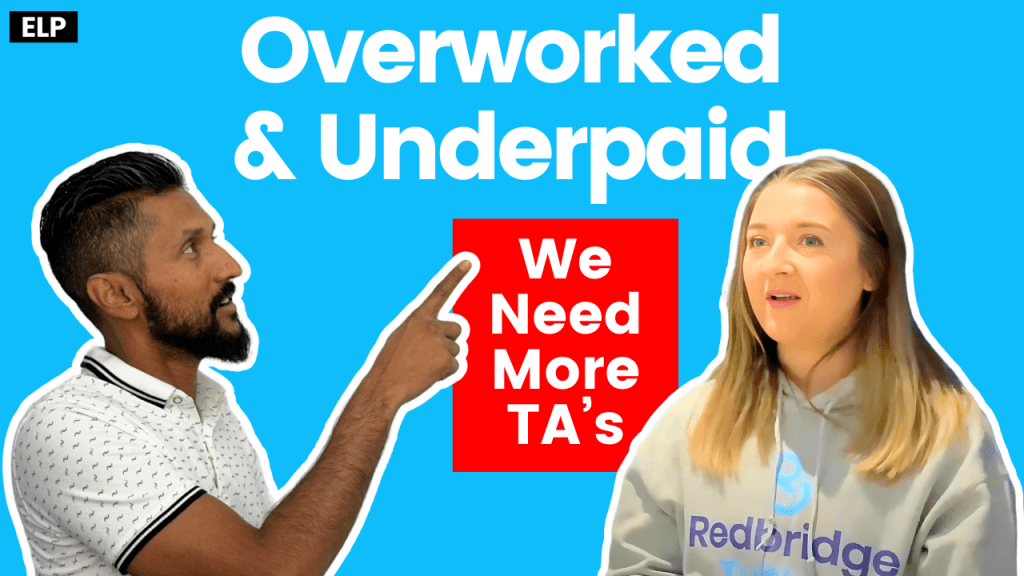
This episode is a candid look at modern primary teaching through the experiences of Catherine (six months into her first ECT year) and Duke (a long-serving teacher). They discuss what a “normal” day really looks like, why workload rarely fits inside school hours, and how constant changes (curriculum, schemes, planning formats, leadership priorities) can make teachers feel like they are rebuilding systems every couple of years. A big theme is that pay matters, but support matters more, especially staffing, time, and capacity to meet diverse needs in one classroom.
They also explore how technology is now embedded in reading and assessment, why culture and home environment shape outcomes, and how lockdown has left lasting gaps in learning and emotional development. The conversation finishes with practical advice for parents: daily reading, routines, times tables fluency, emotional regulation language, real-world experiences, and building independence.
Watch or Listen




Timestamps
Show Timestamps
0:00 – Intro
0:53 – The Life of a Teacher
20:15 – Pay for Teachers
25:23 – Tech / Equipment (Then & Now)
29:43 – Should Primary School Teachers be Specialists?
34:05 – How Does Culture Affect Education?
39:04 – School Then vs. Now
41:55 – The Effects of Lockdown on Children
44:42 – Teaching Vs. Tutoring
52:15 – Tips to Parents
1:05:00 – Conclusion
Key Takeaways
Reality of the first year. Early teaching is rewarding but often overwhelming, because the jump from training to full responsibility is steep.
Workload is not just teaching. Planning, marking, data, meetings, behaviour, parent conversations, and safeguarding pressures can swallow “PPA time” and push work into evenings and weekends.
Support beats salary. Better staffing, more TAs, and specialist help can reduce daily stress more than pay increases alone.
Constant change creates churn. New schemes, templates, and leadership “initiatives” can make previous planning redundant, even when something was working.
Primary is relationship-led. Consistency and trust with one teacher matter hugely for younger children, especially with transitions and emotional needs.
Mixed-ability classes are hard to serve well. Teachers need the capacity to both scaffold learners who are behind and stretch pupils who are ready to move on.
Tech is a tool, not the solution. Platforms can help track reading and progress, but comprehension and purposeful challenge still need adult guidance.
Culture and home environment shape outcomes. Parental engagement, expectations, and routines can strongly influence attainment, confidence, and habits.
Lockdown effects are still visible. Many pupils missed key transitions, social development, and foundational literacy time, and schools are still bridging gaps.
Parent actions compound. Five minutes of reading, times tables practice, emotional check-ins, and real-world experiences build strong foundations over time.
Show Notes and References
The Zones of Regulation (free resources)
NCETM (National Centre for Excellence in the Teaching of Mathematics)
White Rose Education maths resources
Times Tables Rock Stars (parents)
Accelerated Reader help (Renaissance)
DfE: Appropriate bodies’ guidance for ECT induction (PDF)
Transcript
Show Episode Transcript
Intro
[Music] the education Lounge podcastwe’re joined with a couple of lovely people we have Catherine and uh if that’s yourreal name um and they’ve been teachingum Catherine’s fairly new to the profession yeah and then we’ve had Dukehas been doing it for a while now yeah part of the furniture pretty muchbasically yeah we’re quite excited because we’ve been trying to get them onto the obviously they’re quite busythey want their holidays as well um whenever they can so yeah it’s a real privilege to
The Life of a Teacher
uh you’re really new into the profession six months into my firstact year so yeah so if anyone’s not familiar with sort of how you how itworks now in your first teaching years it used to be an nqt year which was one year um and now it’s been over two years soI’m in my first first ECT year first first year of teaching how are you finding itum obviously it’s very it is like it’s very rewarding love my class likelove love um certain days or moments where it can be completely overwhelmingum it’s very much been thrown in the deep end in lots of ways um compared to yourtraining year which I think you are quite protected from certain things um but it’s been a massive learningcurve um just quite overwhelming at times but yeah I’ve been doing well at it so I meanyeah it’s been been a lot to learn but it’s good so yeah and then just questionI’ve got um so if you have like just tell me about like a standard day in the life ofof a primary schools so I teachum emigrate which is year three and four combined so that was a big learningcurve for me um obviously having to learn the different levels within within a class anyway is a big task and but then tohave um obviously children who range from years seven years old to nine years old with different learning abilities isreally tricky so um typical day I get into work probablyabout eight o’clock I’m not an early I’m probably the first one there to be honest actually but that’s quite late Ithink that is quite late quite late I think some people some teachers do get into work about seven like really reallyearly so after two coffees three two coffeesum yeah so I get into work but I am very much like I want everything on Friday Ileave my school with my work printed all resources made I don’t leave anythingI’m very organized and ICD when it comes to things like that so I want to be Iwant to leave on a Friday night knowing I’m ready for the weekend I’m not a last minute person when it comes to so I wantto get into work at eight o’clock yeah load my classroom tied in my classroomcopy trim and then I’m ready whereas I think some people do prep in the morning I don’t know there’s different there’sdifferent teas out there yeah I think whatever works for you butfor me I’m very much a week before yeah I don’t imagine you’ve been that wayyeah I annoy myself sometimes because I’m just very like oh I need this doneorganized yeah um so yes then um every I mean it depends on your school timetable Isuppose but we do a comprehension every single morning I welcome the children in um comprehension give any messages outEnglish maths obviously non-negotiables before lunch and then the afternoon it will very very much be like a piggy or atopic based subject um and then we do clubs after school um so I run a sports cluband then obviously you then got marking to do but I try my best to get away fromschool and switch off from school by at least five o’clock every day do you manage it do you manage it yeah yeah doyou try to manage it sometimes I have to take work home with me or if I just itjust depends on the day there’s normally days where something pops up like if you’ve got PPA afternoonlike there might be a parent who needs to speak to you or something pops out of somewhere or you know a child isunsettled in your class you need to deal with um sometimes you don’t get your planningtime and then you might need to work at home or on a weekend anyway so yeah whether you don’t thinkyou ever really tough there’s a lot of unbuild hours yes absolutely yeah yeah it’s interesting because I’ve beenteaching for a long time obviously but I’m still taking work home I still haven’t found that work-life balanceum I don’t think you can get it though you don’t really switch off becausemarketing I don’t know what your Market policy is but we’ve got to Mark a lot of books on a daily basis and um there’sliterally no time in school before school is setting up after school is setting up meetings meeting person meeting with their teaching stuff but Itend to take a lot of planning home I get PPA my PPA literally is not planning I don’t plan anything during PPA I’malways meeting someone or didn’t make phone calls or there’s always something I’ve got to be doing there’s always other things I’m doing so I never get toplan in school I can’t remember the last time so you teach um yes yessix on a part of this which is well on my current school um but like that’s still taking backhome I’m still I’ve taken a lot less where I come I’ve got to be honest but I’m still taking it back home and I find it interesting that um even in my schoolthere’s a lot of teachers that come in later than me and leave earlier than me and I kind of cut I thinkwhere am I doing something wrong or are they doing something wrong because I can’t understand how they could be getting out so early and I’m still theredoing the work I’m still taking work home but anyways I don’t know um are those teachers teachers who havebeen there the same time as you are they annuity too some some of them are newer teachersand some of them are not I’ve been teaching a long time so there’s a lot of stuff there that are not SLT address you’ve got a lot of bigresponsibilities yeah yeah it’s it’s one of those I think you have it all dependson just a day-to-day basis um and from school to school I think thatthere’s some weeks where I I get to do all my planning in my PPA but then therewill be other weeks where I um Sunday morning doing all my planning doing my PPA basically on a Sunday morning for the week ahead so I think itjust depends um yeah like in my current school I don’tknow again your school and other schools you don’t haveum lsas as much or teaching assistants as much anymore so there is more pressure on teachersto do the marking and things like that and to do everything like the thetrimming the the printing the copying all those those little things the laminating those all take a long longtime and even those things being on your to-do list yeah are obviously sometimes not priority but but there is always ato-do list um which I think I me probably being naive going into teachinglike I said I’m very much like I want my to-do list done done done one thing I’ve learned is you can neverfinish the to-do list it’s the same with everything yeah just ongoing yeah but Ithink it’s because we care as well like I you know I care about I want I want togive my best for every lesson like I want to make sure it’s not a book with some lessons are boring but you knownot every level of an exciting um but you know I try and put my bestinto everything and whether that’s sustainable over years and years and years of teaching I don’t know and Ithink that’s where I’ve sort of learned learned a big lesson in my first term as a teacher actually it’s not sustainableto me because you’ve been um obviously in school for a long timesurely after like 10 years you you more or less know what you’re doingyeah you know you you talk like I’ve taught decimals so many times I know Iknow how I’ve got my Approach and I’ve got something that I like to use um for this class and I found it to besuccessful in the past and thus you can minimize some of your planning because you’ve done some of thatdefinitely definitely the planning is reduced but the problem is they keep changing the curriculum they keep changed expectations and the school willchange the schema where is the following their support so some are planning that I’ve got I’ve got planning going backyears right and I can always dip in and dip out but where they change the the scheme of work or where they change theum expectations or the the layout for the planning we’ve got planning templates now so it’s a case of copying and pasting and finding it and it almostlike because you’ve got so much planning you become like a Google search almost so you’re looking for decimals and you’ve got 10 hits for decimal that uhwhich one did I use now because you’re always changing it for every class you’re changing it every year you’re always changing adapting it and thething about a lot about new teachers they’ve got so much so much Flair like that kind of dials down a little bitthey want to make everything enjoyable hundreds of resources I’m ready to walk in there with a whiteboard pen and aflip Channel let’s go back to me quite early on was like Ihave to as an ECT and a first year teacher I have to remember that I am newso there is going to be more work or pressure on myself in the first coupleof years because you know somebody’s got five years experience will have a literally a back like a diary in theirhead of like okay I need you to go into this classroom now and teach fractions and they will just know exactly how todo it what works what doesn’t work whereas I would want to go and like plan the whole thing and then let you knowyeah so these are these so it’s just aside from my corrections I suppose aside from like curriculum changes is isalso like schools having a certain approach that you need to follow and them changing it up or so this is what Imean when that says we’re doing white runs at the moment and we’re now transitioning our transition to ncetm sothat’s a completely different structure a completely different layout so my my white rice planet from last year willkind of become redundant because because nctm is very much aspect Victoria or very verystep-by-step um yeah so my white rose pattern would become very it will become useless and Ihave to now go to the nctm website follow their links follow their resources download their things and usethat into books once that transition happens so all that planning I did last yearyeah but then doesn’t that just like it kind of unsettles everything becausefor teachers and students alike because if you’re changing your approach to it definitely does but then this is whathappens with leadership right so you see you see like a reading scheme we’ve got um I can’t remember what it’s called nowbut we’ve got one reading scheme and that’s changed over the last two years so it hasn’t fed through from key stageone and nothing stays long enough which kind of travel all the way through because youdon’t see the impact of it and when you get new members of Staffing so you’ve got a new literacy lead and they come in freshly they’re like oh yeah now I wantto do this game I’ve seen it back at my school and they’re like this is the previous traffic and the hitches you’re like okay then yes go for it let’s giveit a chance and then two years later that teacher leaves nobody should come in and say oh wait my school does this scheme and he’s like ah come on come onI just set this up surely they can like test the success of a particular schemeso yeah okay well this one seems to be working well like statistically you don’t know student marks are up thismuch and so yeah certain things certain things become embedded certain things too but actuallybecause because cohorts are very different what works for one year group what skills yeah and when you guess whenit gets to year six and you’re like hold on a second that life you just came for Destination reader right which was a reading scheme and it’s a lot ofspeaking listening a lot of talking and it’s develops their comprehension skills but in year six or that hold on a second they’re talking a lot but when youpresent them with a question they can’t answer that question so what do we do we need to do something different in year six and it’s like why would you dosomething in year six if you speak follow me yeah yeah but that kind of pressure Falls onto they had to say ahMy Sixes can’t answer a question sets are coming in three months what we’re gonna do let’s mix it upsuppose they get scared to make changes I don’t know I sometimes find that like like there’s like for instance withmathematics sometimes you notice that so year six studentum they commonly have trouble with uh factions percentagesit’s often those things but I’m like there is a an easy way to learn all of those thingsso it can’t be changing like maths is mathematics at the end of the day like you could you can go into any countryand it’s it’s simple in that way but so I’m a little confused why they need tochange it so much if it’s if there’s a set approach I think it’s gone I don’t think there isa project because I’ve been teaching the year sixes like last week and the waythat they multiply fractions is like completely different but I think you might have seen it yes like completelydifferent to how we would do it yeah and there’s like way more steps the actual calculations are way more confusingbut that’s what they’ve been taught and that’s what they’re kind of like yeah that’s what they feel comfortable doing was if I show them a method like wewould do like cross-cancel and then multiply across they find that confusing even though it’s technically easier yeahso but this stuff is importantly changing where the research comes in they don’t they don’t want to teach children how to do things they want togo back to that do they understand what’s happening that when you think about a long multiplication we know the process is I don’t think cars I was anadult we found and stood exactly what’s going on in the 10 and the ones and all of that yeah but for the children if they if they can’t explain to you thisis the ones column and when one’s plan by this yeah and like it really frustrates me is that because I whenyou’re working year six and you’re trying to pictures of things that are happening and they’re like why is that we’re still moving and they’re notgetting that I don’t actually care at this point you multiply by this and you multiply by this just you know yeah yeahwhen I was learning it I didn’t know what was happening I just knew that you do this this and this you carry that puta zero there and you do the same thing when I teach him now I say um the first yeah the first row is top two number oftimes by that the second row is the top your numbers Times by that but because it’s in the tens column there’s a zerothat shifts everything yeah and they’re right out this times this is that line This times this is that line and you addthem together yeah and they get taught partitioning yes yeah but it’s exactlythe same thing but they don’t see it as the same thing yeah completely everything actually comes back to thatpartition in place value of sort of knowledge that I find a lot of kids inyear four um don’t necessarily have year four or five they don’t have theand then they struggle with everything else after that because they don’t understand how numbers actually work andfit together so yeah I find that if if they know that well enough you canactually teach them pretty much any method and they’ll understand it that comes to the curriculum and I’m notasking a question here do you find do you find that and I like uh I’ll see what I think after about do you findthat when you’re going through the units it’s too quick so you’ll be on yeah so this is where the foundation issue is gone so again maths team of work youhave you we’re moving like we move on to another topic or unitsum before let’s say 25 of the class I’m really ingrained that into theirknowledge that’s super different from like um in in like Asia they’re reallyreally different like they they try to get the basically everyone in the class to actually understand yeahhow much tuition do they have over there though because like if that wasn’t the case would we even have a this placeyeah well umyeah they do they do in some they do have that in some Asian countries butthen like somewhere like China private tuition is on banned anyway soum because they don’t want people teaching their jobsyeah I suppose like things like being able to do interventions andpre-teaching um that is just so crucial but umin the current time I don’t know how it’s I believe my other teachers have been in the like you know teaching foryears we just don’t have the people now and the time to do as many interventionsand pre-teaching as we would like to like I would love to be able to do Math’s intervention every single day butI don’t have the people all the time yeah um yeah sometimes you was it like andthey’re crucial so crucial I’d write one student and she in year six and she umshe was like the only one who wasn’t in the intervention you know in the intervention yeahum and then I was like why is everyone in intervention that’s more of an intervention for she’sin her own intervention she’s like well she can carry on and do something else whereas the rest of class actually in I do a lesson well it’s because like webecause I went through all of those like factions there’s like foundational things made sure that our foundationyeah to get a group of children who who don’t understand it maybe have additional needs or anything like thatand they do need it you know something like yourself it’s more simple way ormore staggered or stepped or more resources to help the manipulatives to get that within a lesson when you’realso teaching at the same time it’s just it’s very tricky um and I suppose that’s a pressure thatis on the teachers now to be able to achieve that and you want to do it forthose children like you that you know you want them all to leave that lesson about the unit of work being confidentthat if they got a test paper in front of them they’d actually go oh my gosh yeah I remember I learned that okay Imight not get right but let me see if I can have a go whereas rather than looking at and going what is that likeno idea what that question even wants me to do it sounds to me like I’m a bit like it’s a bit like the nurse issueum like teacher issues quite similar because um with with nurses they’re doing moreand more complex stuff all the time so their their job description is expanding yeah and then we’re teachersbut it’s just no you’re right it’s more boxes to take more things to do yourself without the TA support in the classroomyou’ve got to do pretty much yeah I like gold dust and I think yeah I thinklsas are amazing yeah our jobs are made so much easier it’s a struggleum we’ve thrown a lot of acronyms around today [Applause] umlearning support assistant so yeah yeahsame I know some of them so you said you have the same job bro I think it justdiffers from school to school what their title is essentially so right teacher assistant and a learning supportassistant yeah so yeah it’s like because other at the moment like the national
Pay for Teachers
conversation is very much revolved around uh teacher pay and um yeah andnurses and that kind of thing and and unions um so yeah the conversation for todaywas going to be about um whether teachers are underappreciated or not yeah definitelyso give us more pay but is it but that’s the thing is it’s like is it just it sounds to me like nomatter how much more pay you get like there’s something innately difficult about the job that could be made easierso it’s it’s also like the organization of things or is it like if it ischanging quite a lot if if those aren’t things put in place if they’re not helping you out more thenyou know you’re going to be unhappy no matter what we’re just miserable people yeah I think that there’s two languagesto that right one is the teacher’s pay and one is the money that is given to the school so what a lot of people don’t see is is that when schools are gettingthe same amount of pay it’s not it’s not um there’s not actually there’s no equity in that meaning that it must gofor example we’ve got 75 people premium meaning they’re underprivileged and um or special needs or whatever whatever itis and that school should be getting more in their budget so forget me as a as a teacher that’s coached the budgetfor that school should be more Super more teaching system so we can get more resources whereas another school that’sgot 25 people premium should be getting a little bit less to balance it out soit’s more Equitable in that sense so that’s not happening at the moment so ask who’s going to save money as that’s cool so they’re getting their iPad intheir MacBooks and things and we’re struggling to get another ta into the classroom for our scn children who sat child who sat in the corner and that andthat’s separate from the teacher paid because our hours are made more difficult because of what we expect to do to to do but if I had more teachingsystems and I had another specialist teacher in my classroom my workflow would be significantly reduced and itmight mean that I’m happy with my pain yeah I agree with that absolutely I meanagain as a Furniture teacher I pay as pays me like I do it because Iwant to be a teacher like you know if I am I am my own obviously if you want to give me more money I’m not going toargue against the state I’m never going to turn that down but um for meum it’s sort of work environment like you know do I feel like I’m mentallysatisfied at the end of the day like I’ve done a good job and that everyone has left knowing what they’veyou know knowing what with teaching them now this is the best job I could have done but then some days you don’t leavebecause you just think actually if I had one more person if I had a bit more supportum oh I forgot to do that I forgot to do this you know there was just a never-ending list they play teach themnursing but you’ll care we’re not there for the money yeah the nurses care we care they stayed back we stayed back wewe just care about what we do um we just want a bit more people to do itum I do think like is your job role expands like obviously like you’ll needto be paid to sort of compensate for those extra roles and but the thing is likeobviously as you um I don’t know then I don’t know it seemsto me like the the thing that will make you the most happy would actually be likehaving a lot more support um definitely as a teacher it’sstressful that where we can do the work we know we understand it but it’s when you’re in class when you’re with thosechildren and you’ve got 25 not getting it you know what do I do with them but with that extra support that’ll takethat mental emotional pressure off in a sense um yeah I know what you mean even likeI’ll take that clothes yeah take those children who do get it out with a yeah or whoever isum to move them on because they obviously can do it so it’s not even just about the children who don’t get it it’s about the children who do get itand then move them on because they obviously get it they need a challenge they need something they need to belearning as well so yeah it sort of is both aspects it’s like we need to support those children who don’t get it but also there’s children who do get itthey need to be pushed like Looking Back Now like on my primary school experience I I realize how ridiculous it wasbecause you had like some kids in the class that couldn’t read basically yeah and then you’ve got like mewe’re like I did feel under challenged so you getyou by having support and and the ability to sort of split up intodifferent groups you you do you know it’s more beneficial for everyone yeahum the the students and teachers alike yeah umalthough you know obviously like this is all like it’s very complex because like a school has a budget yeah yeah and it’slike it was obviously different yeah it’s so difficult for them to like they’ve got very little umI’m a new sort of room to maneuver yeah um so like what I’ve noticed is I’m just
Tech / Equipment (Then & Now)
going past schools generally is they they do seem much better resource than when I was young on the surfacebut I don’t know whether that actually you know like they’ve got nicer things and like the playgrounds and this andeverything sort of but I’m not sure whether that translates into like betterclassroom learning and what you’re seeing in the surface of thing it’s not that it’s nice that it’s just kept upwith modern times so when you see an iPad in the classroom it’s not because the school’s got money for rap it’s just a app is a common common utility areayou know when they’ve got pending on so they’ve got new pens they’re privileged they’ve got an iPad it’s not a privilegeit’s just a standard standard yeahyou know the old Macs yeah I think we we had when when theywere like quite cheap like um they came down Apple was like actually relatively cheap brand otherother at that point um and we we had like Max but we only had like five computers or somethinglike that it’s like yeahum in my current school which I think is an amazing program to be honest but the program that they useon the Chromebooks is to test their reading levels so it’s all done using acomputer so and obviously with with covid where it went all online the children are so tech savvy and they knowexactly what they’re doing and but obviously sometimes what’s the program calledhighlighted reader accelerator accelerator reader yeah it’s very very good and that is what is used thechildren essentially will read a book it’ll have a certain level based on a test that they doum if they get 100 80 90 it means they can move up a level so on the same levelgo down a level um it’s really good so yeah like without that obviously that’s completelydifferent to when we were at school and how you’re you just go have a go at this bookthat’s amazing I think because yeah you can actually assess but theonly the only thing with that is I’ve noticed um because I I did sort of helped some kids read like I’ve workedwith a program called the Hackney Pirates but I think they’ve changed their name yeah and then and then it is like thechild has to go and pick a book and stuff like that but then sometimes you’ve got to go okay well maybe you would pick a slightly differentslightly different book like let’s level it up a bit like because you encourage them to go a bit more challengingbecause that’s what I find a lot with kids they might read a lot but then howdo you gauge how successful that reading is right if the child isn’t like becauseif it’s self-directed if it’s completely self-directed like a lot of kids will go oh comic book I’ll just read thatum or they’ll go for an easier book on purpose right yeah umsome kids can we’ll just go okay well I’m going to challenge myself I’m going to read this or I like this book so I’mgoing to read this I know they’ll um just go up naturally but then I find that a lot of kids just kind ofsome children are scared even though they’re um very capable and they need to move up alevel they’re scared of the thickness of books as well they’re like well but I want to read more books not just likeyou know I want to read three small books rather than one big book yeah they get but there’s a massive pushum I found in my in my training year it halfway through it came in and then definitelyalso now is comprehensive skills so whatever they are reading whether it is a comic book or I don’t know chapterbooks or whatever it is it’s actually are they understanding what they’re reading so like are they taking it in sorather than just reading the words are they actually understanding what those words mean are there you know can youthink of a different word for all that word in the book or you know can you answer questions on it can you pick out the details or can you summarize whatthe last two pages that you just read were about sort of things there’s a big put on comprehensive skills as well atthe moment in schools I think you know I’m in some this is a bit of a sort of
Should Primary School Teachers be Specialists?
this would sort of restructure how our education system works butum in Asia actually um because I’ve got I’ve obviously got a lot of connectionsum in Vietnam China Korea they tend to they don’t have like so you know how theprimary school teacher is a generalist in a way yes you’ve got to be very good at loads of different things rightum in Asia the way it works is um teachers are split into specialismsso if you want to be a math teacher or a primary school teacher you do PrimarySchool maths um Primary School English you do a degree in that specific subjectand I would have thought that would seriously reduce like the pressure on on a teacher becauseyou know your private schools are um no Geminis no it’s it’s very much howthe education system works here um but we we’re sort of like as inthey’ll take a teacher with this certain degree I don’t know and then they do their pgcd and it’s very generous andyou’ll do um you’ll do that test for you know to check whether you understandEnglish and that kind of thing but yeah like they they I I would havethought like the most effective way and most efficient way to for teachers to sort of do betterum and also for to get the most out of um students and also reduce and teacher workload would be to make it sort ofmore of a specialist knowledge wise yeah but I think for primary is not all like a lot of itis down to behavior and like dealing with children that are that small yes soit’s not just the knowledge that’s the and not just Behavior but also the connection I think at that levelrelationship they need that relationship you’re switching subjects especially in my school I’ve learned that the hard waythat they really they really need that Bond they need that creation they can’t be doing a different teacher they can’tmanage that they cannot cope with it but then but then they could get used to it it’s like wowthey need the consistency like if every 45 minutes every hour they’re shopping like eight times they can’t providetheir Mass book and get their reading books out without without causing that transition alone is challenging yeahI can see it both ways the high levels of sdn as well in schools at the moment like change is not good forand my head teacher at the time she she went out with other her teachers to Singapore because she wanted to adoptthat um approach but what she learned when she was over there is that in Singapore thatthey come from a six parent family meaning that um this one child would have his parents when he goes on thatcare about his education his grandparents also care about education on his mom said his grandparents with his dad said was okay so the six parentswith that one child that kid and in this whereas here you’ve got a single family single family children you’ve gotparents that are not involved at all and secondly to that like you’re saying that we move on a lot the units it’s not inthat approach they stick with addition for a whole term even if you’ve got it you might be you might be doing itreally fast you’re still doing it you’re teaching the classroom there’s no push them on or let’s go back they just do that yeah that’s what that’s what I wastalking about earlier like they made sure whole yeah so they’re there for a whole term if you’ve got it we’re moving you to decimal now we’re Mutual wordproblems if you haven’t got it you hope that you’re you’re going to carry on for that whole term and by the time you finish that term it doesn’t matter whatkind of addition problem you’re going to come up with it’s going to make sense to you and that’s embedded now so that that 75 that got it they haven’t got a chanceto lose it they’re going to retain that information and so so we didn’t we didn’t adopt the approach because shethought and they kind of the book and everything is brilliant I thought it was wicked but she when she explained I thought you know what you’re right youknow really Chuck a book in front of them it’s not going to make the huge difference they ain’t got six parenting familiesum so that’s another difference that we have here that they don’t have the cultural difference I suppose yeah I waslistening to the radio yesterday and they were talking about how like uh the culture culture matters in education and
How Does Culture Affect Education?
like for instance in we we talk a lot about like say umuh that does this idea of white privilege thrown around but if you actually look at statistics onespecially education yes the opposite yeah why why boysum they’re sort of most behind statistically yeah rightum I think it was yeah I’m excited it’s like uh black uh black girlssome of the fastest increasing level really yeah that’s interesting educationlevel and I think it is is culturally biased it’s like you can see it in the parents that come obviously like tuitionyou got fairly motivated parents because they’re actually taking that step ofbringing child to tuition but I’ve noticed like quite a lot of pressure from obviously Asian parentsbut I also like um parents from like West Africalike um you you notice that yeah they’re very education focused they they want theirchildren to to do well um and whereas like I’ve noticed hereit’s a bit more laid back um like say white British parents a bitmore laid back when it comes to education they’re like oh this is not really getting it like no it’s not it’s notthat same level of panic so so I do I do think there is a culturalum on that actually I at my current school we did a there was a writing moderation forobviously for my year growth was year four and it was on it was on zaim and I obviously chose I chose three children’sbooks um that I thought were nearing expected for a year four level and one of theladies on that um Zoom call said like she was complimenting this piece of work andjust said it’s amazing it’s going to be expected is he what um is he white British the boy and I didn’t you knowlike I was like yeah but I thought nothing of that comment but maybe that’s the reason why she was asking becauseactually I don’t know was she surprised yeah I don’t know but I just sort of glazedover that question because I had no context to it I didn’t know anything you know if there was a statistic or anything yeah like that but maybe that’sthe reason why you’ve got to bear in mind is is General gem is not like we’ve got a lot of people that come here thataren’t in that category yeah whatever yeah but they’re doing theirwork as if you know no yes it’s a generalization I mean yeah we’re a bitstatistics so it’s always that way it’s like there’s a trend um but it isn’t that is in this doesn’tapply to him there’s cases of like uh Chinese boy or Chinese girl not beingthat that strong at maths like it it happens like like that there’s obviouslysuch a Serial attack it is true it’s true likeum because yeah when I was when I was younger like the circles I mixed in all the Chinese obviously I’m half Chineseum like the Chinese kids that I knew were brilliant at maths and stuff so Ifelt like the bad one at maths because I was like oh no I’m only half good at maths becauseyou know you ummy mum she like she’s not by any means a mathematician or anything like that butshe she would go okay we need to go through multiplying or something like that so there is that you know we willsit down and and then because I was like struggling with malt funnily enough I got dividing but multiplying didn’t meanit’s always wondering yeah and that is like long division was really easy for me but short division made no sense Imean that character now like if I give you a complicated math problem about yeah you just do this thisand if I gave you a multiplication you might wellexactly yeah what’s 12 times eight uh yeah so you knowum I do think there is a I even because my mum’s not thatum pushy I’d say as Asian parents go but um she uhI think she was more pushy than on average but if she careyeah yeah so demographics in schools and areas and also like so much comes intoyou know so much some so much influences it um yeah I thinkum but yeah a few people who care I suppose it’s good yeah how would you compare when you started
School Then vs. now
teaching like as a new teacher to to now however many I was happynot that when I got into it just that’s just like was it different to now very very different yeah very different verydifferent and I don’t know um some of the things I’ve seen changes right is in terms of emotional needs is it has beena big rise in Emotion needs of the children and their well-being in their mental state and when I first started wedidn’t have a counseling school now we’ve got therapists in school when I first started that children were happythat now now I’ve got children trying to trying to commit suicide talking about depression that which applies my mindand they’re like 10 years old and they want to they only be depressed and well now that’s cool we used to have homework policies and now we have no homeworkpolicy and then we had humble policy and then we had no homework policy um which is like my blood and theexpectation has gone up as well I think I think the children need to know a lot more at a younger age we’ve seen the curriculum change the year fivecurriculum has gone down to the year four and the year fours are doing the year three so it’s all they need to know a lot more so how do you teach them alot more without having that previous buildup that I did I did find thatum I I have noticed that like when I was young we we had like less to learn but Ifelt like we learned it better yeah definitely um yeah so and I think that’s generallymore effective like because you will have more you’ve got the odds few students who can just do all of it butthen the ones that don’t get it yeah then it’s that time but like it’s like six digit numbers were going to Millionswith a year six thing when I first started and that’s all the way down to year five and some yeah fourth time on it as well I don’t know if you yeahwhich is it’s a huge shift like you’re expecting these children to learn all of these things without the time given tothem to learn it but yeah you’d like it’s like uh when when they’re the first year of you know GCSE changes yeah andthat’s they they sort of like okay well we’ve got like a transition here but it was much harder GCC yeah and then youhave like the years before um they haven’t really been prepped theyhaven’t moved because they haven’t had that level of because they got significantly more difficult and andthen they hadn’t really been prepped on that that sort of level of work and then they’ve got to sort of like jump andyeah to reach that level but I don’t think that’s particularly effective they they need to build slowly towardswhen you change an educational level in say year six then it needs to start fromreception yeah yeah absolutely and then brought in slowly so they can adjust am I supposed to boom yeahbut yeah I’ve noticed that that seems to be seems to be a bit of a problem I think
The Effects of Lockdown on Children
the other thing as well as the lockdown was uh I think it changed children yeah I don’t know how to explain it in anyother way well the formative years right so yeah and then I suppose the best way I canexplain it is to use my own child as an example he he’s tired Year One no no he’s tired reception sorry but henever actually transitioned to year one and then he was tied back into year twos which is Big yeah so he’s literally nothad the social interaction he’s not had the transition process he’s not by the teacher so when he got to year two it’sa sets here and the teacher got this question to get the sax now so you’ve got to do the set so he missed two years of formal educationbut expect to achieve the same standard as if he had and I had the same experience in year six I’ve had sometough years the past few years like these kids they’re gone from year four yeah literally exactly that that transitionand that learning process and I don’t know I think I did a lot to the children it did affect them in a lot of ways manI think it offended everyone like it doesn’t matter what year yeah absolutely right I I think I don’t know if that wasa you know you probably know better because you taught a lot of uh year onesand twos yeah um um those are those are very very important years for them to build theirliteracy absolutely so was it particularly bad for that year group um again it all depend it depends whattheir Home Learning look like to be honest because obviously again it’s veryspecific to what the parents could do at home um because the the pressure was sort ofremoved from teaching exposure and obviously I wasn’t teaching that point but just from what I’ve heard and youknow it was very much we want you to do this but then the parents would be have to have to be the ones who would have to find the time to do the phonics find thetime to do the read and find the time to actually you know explain something to their child and iftheir child didn’t want to do it I suppose how much does that parent or carerum pressurize that you know a parent is a parent not necessarily a publisher anda lot of parents sort of say do you know what home is home um school is called so yeahum in primary school where we some we do have homework now and yeah well actually it’s across the whole school fromreception to year six in our Primary School um and you do get people who just say noI’m not we’re not doing homework they could that can wait until you know like secondary school because home is home and school is cool and so I suppose itall depends but yeah that you do see a big difference you can see a big difference in those children whoprobably did do the Home Learning did get a chance to redo phonics all those incremental things that help the childat in year one two and three yeah so what do you prefer because you’ve done
Teaching Vs. Tutoring
teaching and tutoring this will be my next question yeahand what are the differences as well I absolutely love like I absolutely lovethe relationship I have with my class um going wrong the tough days and I’vewasted there are tough days um and it’s my training year compared to being a teacher is very different so Imean I’ve got thoughts on I think the training year as a teacher so I did a skit course and so I was in a school forfour days a week and then one day was a university day and that needs to be much harder harderyeah you need to have more stress I think in your training yeah just for it to be more realistic I think yeahtowards the end of it especially in the last last term of a training yearum but I love but I was so excited to have my own class and have control over things and I do loveI do love being a teacher but it definitely comes it was more it’s more overwhelming than I thought it was goingto be um but then but then weighing up with uhrewarding side of things and overwhelming I think there is a higher weight to the rewarding side of things Ijust hope it gets a little bit easier and the teachers are heard when actuallyTas learning support assistants are like gold dust and they are so importantum yeah but so do I prefer you said you quite like one-to-one Ilove doing one-to-ones or two to ones yeah I just think because I that’s thatfor me that child either needs support to be because they don’t get it they need support in certain areas orthey want to achieve something or you know their parents want to put them forward for seven plus seven plusum and they I would just prefer that one-to-one interaction rather than agroup um tutoring I think just because I like I love to seethat progression sort of week one week yeah with that one child and you actually you do again you build a properrelationship with that one child or those two children um yeah so I like I like yeaha one-to-one tutoring as opposed to like a great treat to it I think but I thinkafter a day of teaching as well yeah I think that’s what I found tough isyeah after a day of teaching and then coming to tutor um I’d much preferred them awesomewell you’ve been doing tutoring longer than us like yeah yeahokayI’m really getting old isn’t it um I think having done both I think Iprefer teaching only because I spend more time in with with the children like I said I really love that connectionyeah it’s really important even that tuition the children that I’ve left now like I really had a I watched them growup as I haven’t the ones that I’ve gotten I’ve had a really good one with them and we’re here once a week it’sreally tough to build that relationship I do find it really tough and it always gets better obviously as as the timegoes but with the with with teaching like just straight in there and they’reyour kids they hate it my childrenbut yeah you build that relationship where you’re there every day and I say to the tune in my classroom I say Ispend more time with you than I do my own kid at home which is sad in a sense but also that’s that’sthe relationship you have that’s how close it is that’s how close it gets um I see them six hours a day comparedto see my own kid like an hour a day if I’m lucky if I get home on time and with tuition is just three hours a week so Ido prefer the the classroom another kid’s situation as well butit’s so important in that relationship and like you said with the emotional um support that’s needed now again Idon’t know how when that’s coming like obviously I’m you know six months intoum the first year teaching and that relationship I’ve built over six months that you do you instantly know when oneof your children is not quite right there is something going on and you it could be the tiniest thing it could be alook they give you it could be a they forgot something that they bring with them every day so they forgot theirbook bag and that might be the tiniest thing it breaks them like yeah and theyjust yeah so having that relationship with the children in your class is amazing um and that’s the rewarding side ofthings when you see someone like that one child doesn’t do their homework and they bring their homework in becausethey’ve enjoyed it they’re like oh my God you’ve done I make a big deal of it you know and you wanna you wannacelebrate every tiny thing that they do and Achieve I think at tuition they’re a lot more able as well so they need alittle bit less teaching and a lot more guidance whereas in the classroom your teacher and you’re actually teachingthem and you can see that instant that instant gratification of yeah they’re getting it or they’re not getting andyou do another thing they didn’t get it just depends what group you’ve got with tuition because either you get thepeople who really are struggling or you go that’s for people who are excelling Ithink that’s where I like the one-to-one as well because I I know exactly I know I can it’s it’s easy to see what thatchild needs whereas where if you do have a mixed group that’s where it can sometimes be yeah I think that’s thehard thing is like if you’ve got like 20 to I mean back when I was young it waslike it was like I was fairly certain there were like 40 children in the class and I was like I don’t like how can theteacher really isolate issues and I don’t know what’sgoing on yeah because there’s things like we noticed that maybe the teachers don’tknow it’s because we’ve worked so closely with one yeah um but then obviously like there’s a kindof different uh relationship in in the end at the end of the day what about interms of like comparing tuition to being in your in your school because I’m sure obviously you don’t have a lot ofpaperwork and stuff to do with tuition oh no yeah that’s that’s that’s the best part yeahshow up the work’s there for you the planning’s time yeahyeah definitely workloads being a teacher is a lot a lotum from planning to assessments to marking todata so it’s interesting so you know even the the sen needs nowwhich are more apparent in schools um that requires you know one planningtargets the hcps that’s a whole other um conversation probably but you knowum yeah it’s a lot in schools um that I said the to-do list doesn’treally ever end but it’s all necessary I suppose um it’s all necessary but um it’sfinding efficient when I used to do it and finding the time I am what do you think so because we’ll talk to a littlebit about role of the teacher in the classroom and that other thing what how if you had to like give some tips to
Tips to Parents
parents online like so let’s say there’s like four responsibilitiesthat you think um your child should know that you should try and sort ofum do with your child a bit more read reading read at time yeah five minuteswhether it’s one minute five minutes 30 minutes whatever it is whether you are doing we always say obviously I knowit’s I know it’s tough and everyone has different home lives but even if we’ve said to parents you know if you’rewashing the dishes or cooking the dinner just say can you just read me a page of your book while you’re doing thatbecause you’re still hearing them and you can see you can hear when they are struggling with the words then we do iswe call it ghost reading So like um they read they read okayso yes the child will read a book come to a word they struggle with it obviously you can hear that they can’tyeah say that word you’ll just go you’ll tell them that word then they repeat it so it’s essentially your your readingwithout reading as a parent or carer um and we say whether it’s with a Big Brother Big Sister Nancy whoever it maybe yeah five minutes a day there are there’s a really good I can’t remember if I’m here there’s an amazing statisticstatistics again but how a child he reads five minutes a daydon’t quote me on this five minutes a day um will basically do a lot better inlife than a child who reads they say it’s like the way I don’t know there’s a really good it’s like key ages it’s likeyeah between three and sex or whatever way you use that’s nice well obviously like the first two years of life arethey’re the most important like they’re like nutrition and yeah all that and simulation and yeah learning how tospeak from like three to six you you’ve got those are like actually ages to set the foundations forreading mine would be reading and alsoum unpicking how your child’s day went like speak to your child from yourconversation get a conversation going like obviously don’t cry too much with winds up seeum but in schools we in my school in particular and the previous school I was in we set three official designs ofRegulation like understanding your child so obviously that’s quite a new thing Ithink the zones regulation within the schools so for parents if they can do any research on zones of Regulation andso for example when we do the register in the morning I’ll say you know good morning blah blah and they’ll give metheir name they’ll say Catherine red so they’ll give me the zone that they are in that morning and then that or theymight say Catherine green and then you just thenthroughout the day then it’ll be the my responsibility and then move their name to their Zone and it could be thetiniest thing that you have to understand in that child’s world that’s a massive thing so it could be the fact that someone broke their pencil likethat but to them that’s really upset them so you have to justunderstand the zones um I think as a parent um obviously they’re your child so youthey probably know that when they’re not regulated what emotions they’re feeling but I think George said talk to yourchild about sort of what they’ve learned unpick any emotional things that might have happened during the day talk about itum ask them what they’ve learned because that’s retrieval what have they learned umyeah yeah reading and that’s always something I like to do in a tuitionsessions like what were you doing in school today and then they go I don’t know I think Idid Maps so it’s like yeah reading in sort ofzones of Regulation and understand because that’s what what’s what we use in school and pshd lessons and refer toif a child is I’m not feeling great basically that’s what we use so we’ve got two two thingsso we’ve got two things um was it reading and zones of Regulation readings I’ve got issuesabout that but I’ll come back to that um I think talking and speaking just speaking in general like just open thatcommunication up children love talking to their parents like literally love to spending time with the person that’s allit is just spending time with them talking to them having a conversation um the other thing is times tablesfluency time tables such a big one such a simple one experiencing times table is so key how did you learn your timeand reading it right and reading do you knowum I just listen to like a type that just songsyeah I literally had a tape that did that and then like I think I did like a week on it and then I was like I know mytimes tables again another program which is really good for years times table rock stars oh yeah it’s amazing childrenlove that yeah make it fun yeah yeah it’s gotta be fun so yeah times tablesand then say a fourth I said go out you know go awaysome of our kids don’t know what gutter reviews with a series of that just go outside the door and look around theworld you know yeah yeah involving your children in tasks yeah there are so manyridiculous things that like you expect them to know that they don’t I learn howto learn how to make a pot of tea or yeah even even simpler things likeknowing what I’ve got yeah I did a lesson in my training year and it wasaround um go and look at the Three Bears and one criticism was how do you know thosechildren know what porridge is and I went oh my gosh I just assume they knowwhat porridge is and that’s a really like simple thing but they half the class probably didn’t know what porridge was didn’t know what I was talking abouthalf the thing um you know it’s just but it’s still things that yeah you just yeah you can’tassume anything um so yeah it’s going out and seeing going outsidethe world live a little yeah um yeah nature a lot of the ones that we teach the kids that we teach the parentsdon’t actually take them to shops or anything like that yeah all they know is like wellhopefully times tables and that sort of stuff but if you were to give them up yeah grateful but if you’re doing like11 plus or like uh comprehension and there’s references to like the sea or something no they just don’t they’venever heard of it yeah it’s yeah that’s that even that’s where reading comes into it as well and youcan read to like give them um an educational book like a book about oceans or like you know something likethat and some children are really good at picking those books out anyway um because I’m like oh I’ve read that inschool oh I’ll actually read this book that sort of like links it all together whereas obviously some children will prefer to go for the picture books orcomic books and that’s fine but then I suppose that’s getting them out into the world yeahum yeah I’d agree with that yes good one yeah because I’ve known this seasonwe’ve got a good one I’ve noticed even with like say childrenwith they’ve got fantastic um sort of Foundations in mathematicsand probably English too and let them know they know a lot of words but then when you actually ask them about like experiences it’s it’s very very limitedyeah it’s very limited yeah so yeah like um I even just likeinvolved in your child in some of the everyday things like cooking and yeahyeah you’re right you are right just littlethings so important I’ll get my the children my classy jobs all the timecan you just go to the office you know and ask for the office if they have some more glue sticks you know but actuallyit’s getting them talking to someone else who’s not me or their friends sometimes it’s amazingly simple it’slike I have this kid who was really misbehaving in Korea was I went there for a year and he was misbehaving a bitum but then I gave him just the task of like carrying some of my stuff to the next timeso you just like trust in him to do do something they do they love responsibility children like they likethey love to help most children yeah yeahI think I just think I think that would be my fifth thing is like maybe yeah that would be Independenceearly on there’s one thing I absolutely again I love with teaching is just like buildingtheir self-confidence and their self-esteem and their independence like you know obviously teaching them alltheir lovely subjects is so important but also like you really do see them grow as you know as people yeah and youknow that’s where behavior management and things like that come in where you you knowyou have to explain to a child the rights and the wrongs and like you know there’s ways of saying things and there’s ways of doing things and it’sokay to be feel like that but actually this is how it’s better to deal with it umand if a child’s not feeling very confident that like you know let’s hype them up a bit like you know your headlooks amazing today or like you know but I love all that like you know yeahyeah it’s not just the academics we are building them up we are yeah but they’re cheerlead honestly they’re very like goaway all the time it’s funny how important that like five or ten minutes of justlike relaxing and small talk and playing a game or doing something like that yeah especially if they don’t get it homeyeah they might not get that home they might not get that conversation so well it’s like anyone if you say how was yourday and stuff like that like it doesn’t yeah yeah it doesn’t take a lot to makesomeone uh someone’s day better and like a lot of the kids they they might not theydon’t get that someone asking how are you doing today what have you done todayyeah one thing is um remembering like if a child tells you something that they’redoing yeah at the weekend or oh it’s my hamster’s birthday it’s a game as ateacher you’re like okay um you’ve got something really important to do but obviously but then you’re like I feel amazing and then on Monday morning I’mlike oh how was how was your hamsters they literally like they are like oh myGod you remembered like they love that like so yeah again that was something that was definitelyadvice given to me in my training year is those tiny things are so important yes they’re getting it’s like the jobapplications correct is really important but those are the things actually that they’ll probably remember when they gohome but that’s actually the child’s version of opening up oh my God yeah yeah I love it yeah my her teacher oncesaid to me every child should think they’re your favoritemy faceyeah I missed the register one morning and I always say good morning when I say this kid trapped me down at lunch timeyou’ll say good morning to me sir say goodbye good morningI see these little things are such a big deal for them it’s amazing yeah definitely fine yeah like even if you’vegot like limits of time so we we obviously have value you’ve got like 50 minutes to teach yeahsometimes amazingly complicated like it’s like algebra like simultaneousequations to like a six-year-old that way yes yes yes yes yes that wouldn’t be my classquite like it to be fair you still need to have a rapport with Rapportabsolutely yeah just started off so you just have it start with a little bit of small talk even even if it doesn’t seem
Conclusion
important to you small talk in a game usually is what we do yeah yeahwell to thank both of you for taking time out here yeah spend an hour with us yeah it’s veryinformative okay [Music]thank you [Music]
 The Education Lounge Podcast